Find the problem
Spend time on the patio at different hours to see where sun, wind and views cause trouble. Note when it is uncomfortable and why.
Solve the biggest problem first.
Use a phone compass or a free sun app to see where the sun rises and sets on your patio at different times of year.
Shade
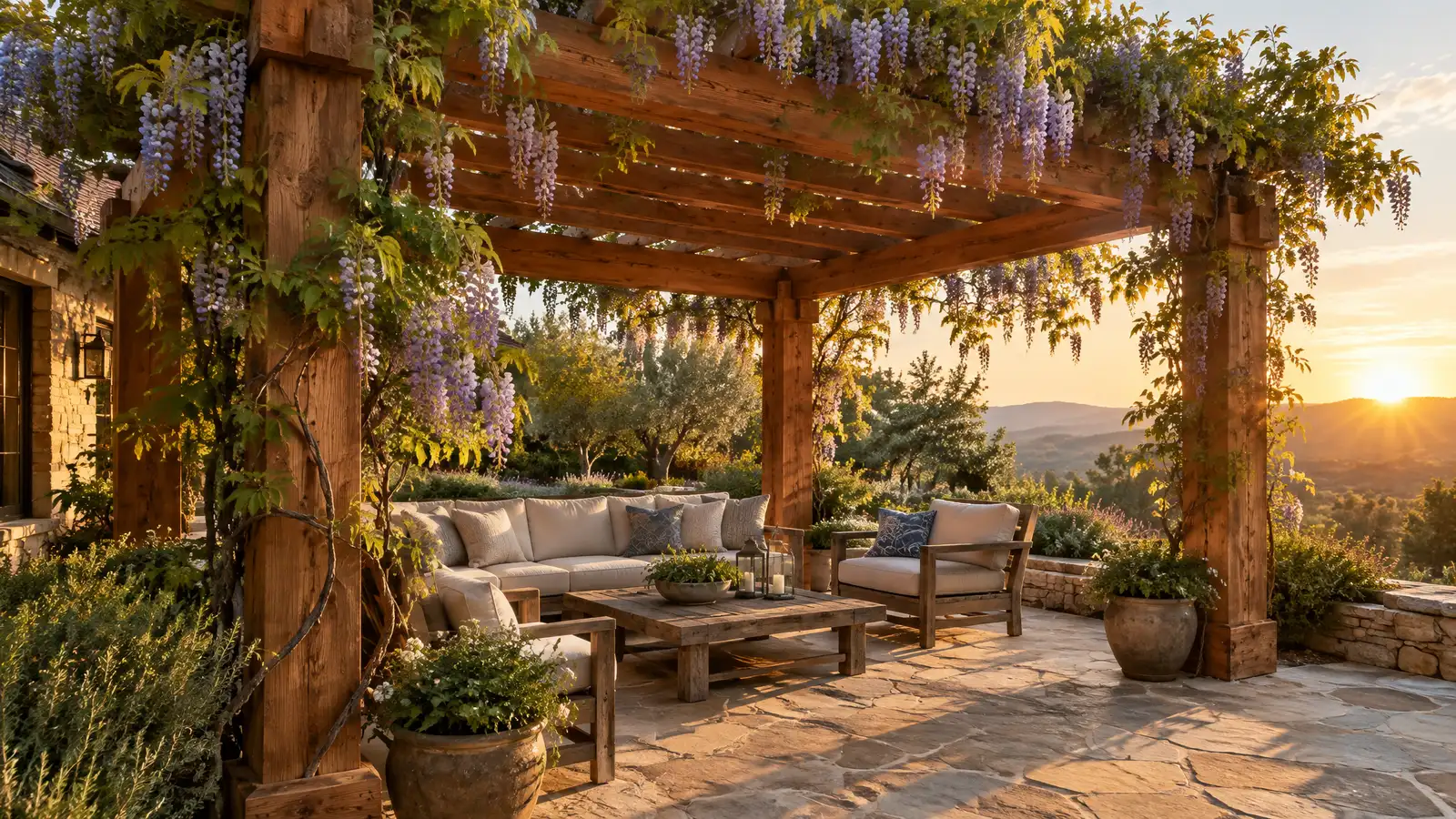
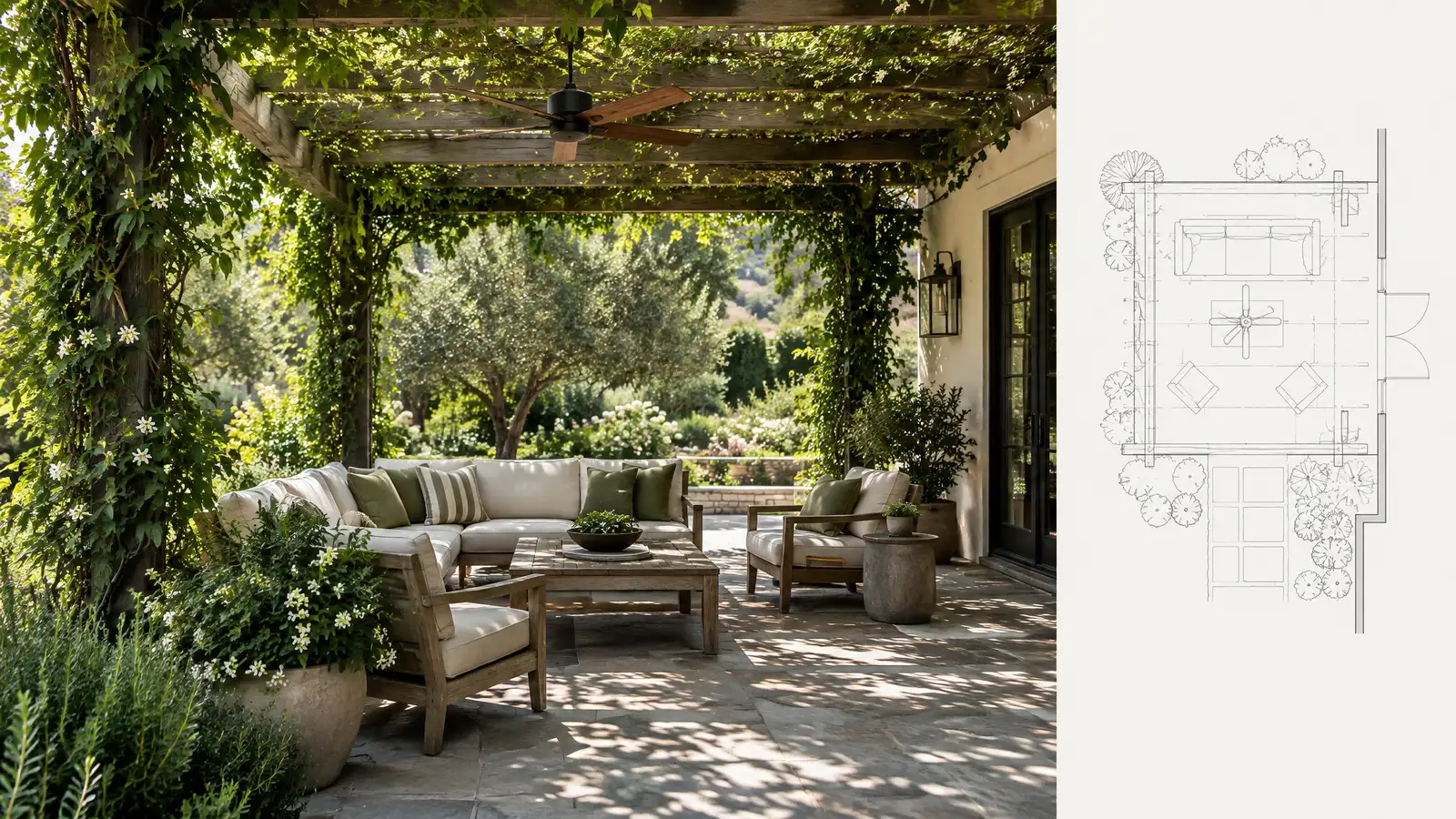
Pergolas, pavilions, louvered roofs, awnings and sails all help. Trees and tall plants add natural shade over time.
Face shade toward the afternoon sun, when it is strongest.
Shade structures work best when they match the house in color and style, so they look like part of the architecture.
Privacy
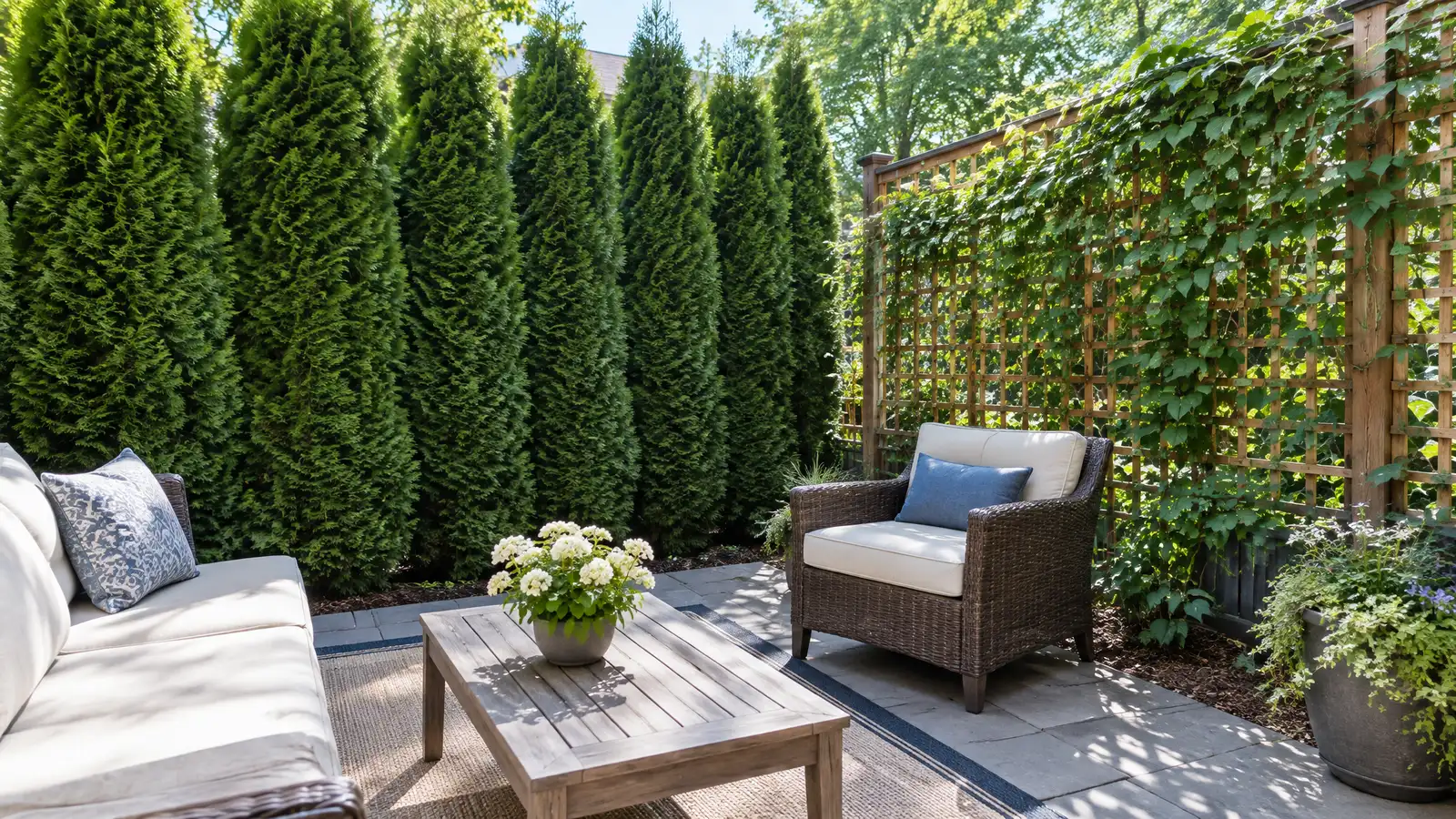
Fences, evergreen screens, trellises and walls block views. A mix of structure and plants looks softer than a solid wall.
Think about sightlines from windows too.
Layer privacy with a fence or wall plus plants in front. The combination softens the look and gives more coverage.
Air and temperature
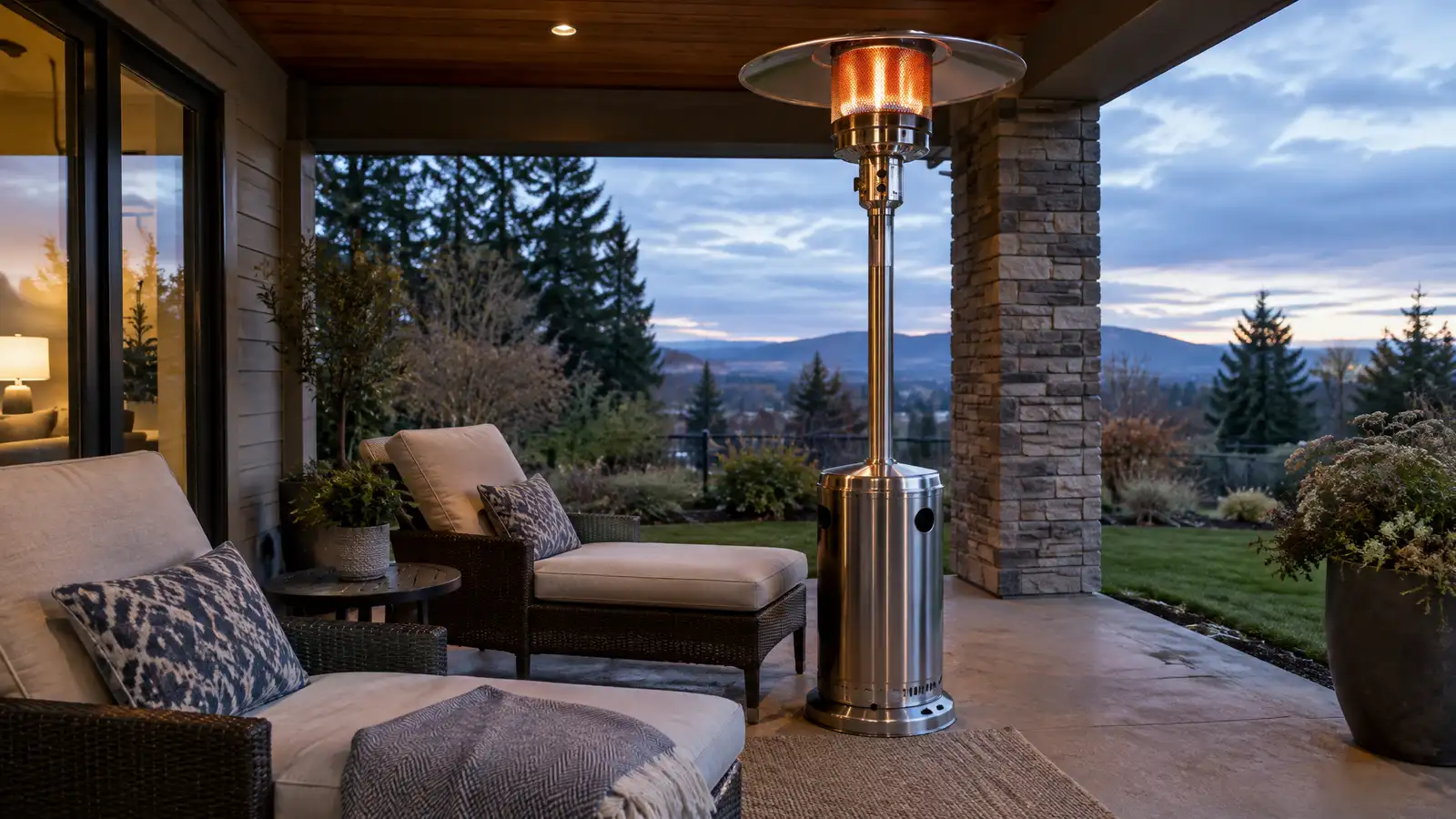
Ceiling fans and breezes cool summer evenings, and heaters and fire features warm cool ones. A wind screen can make a big difference.
Plan power and gas early.
A ceiling fan creates a gentle breeze under a roof, and heaters work best when placed near seating, not overhead only.
Bugs and rain
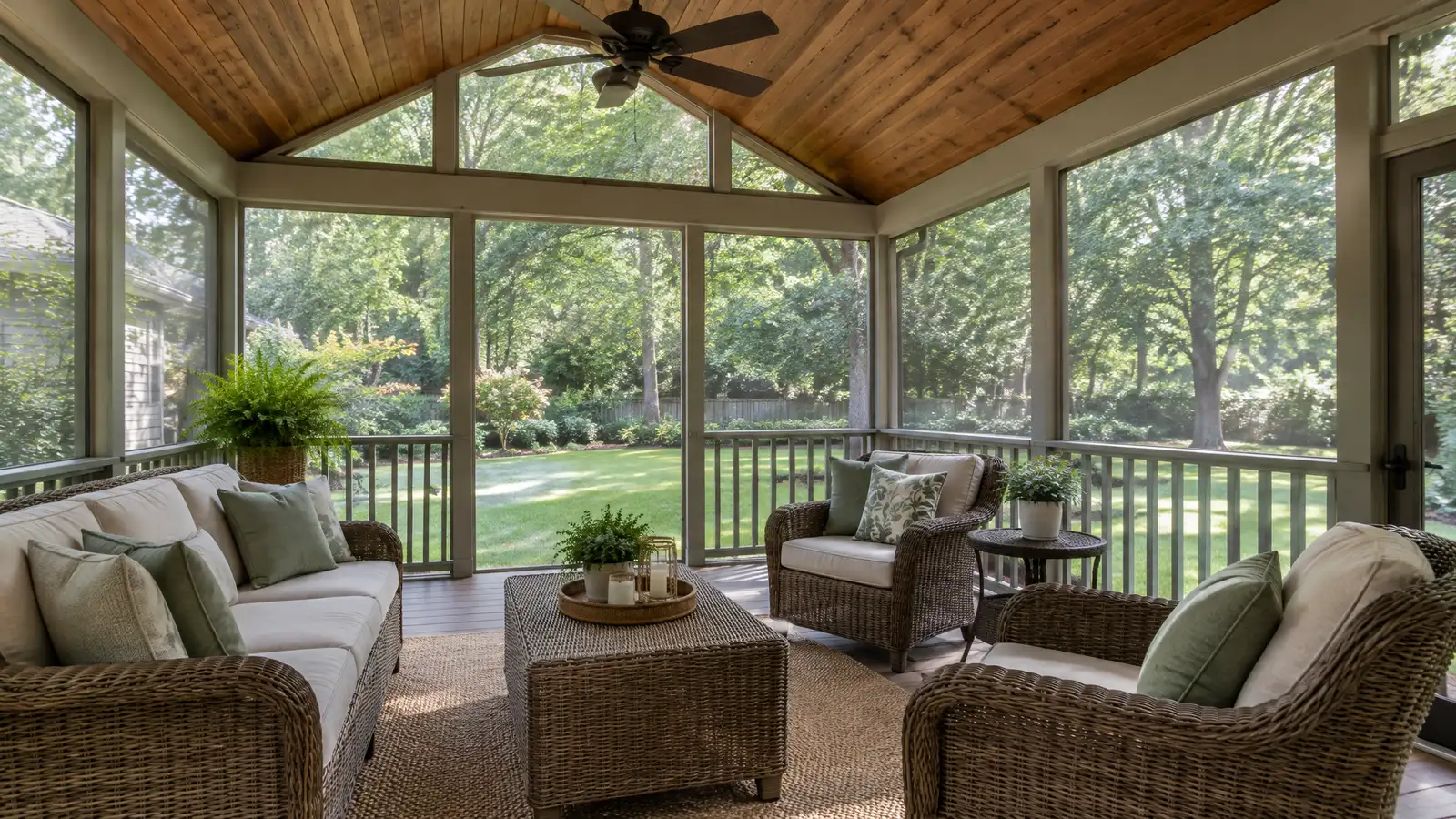
Screens keep bugs out, and roofs keep rain off. A screened porch or enclosed patio extends the season.
Consider ceiling fans and lights inside screened rooms.
Light-colored screens and good lighting make screened rooms feel open, not like a cage.
Fix the sun, the view and the wind first, and the patio will get used more.