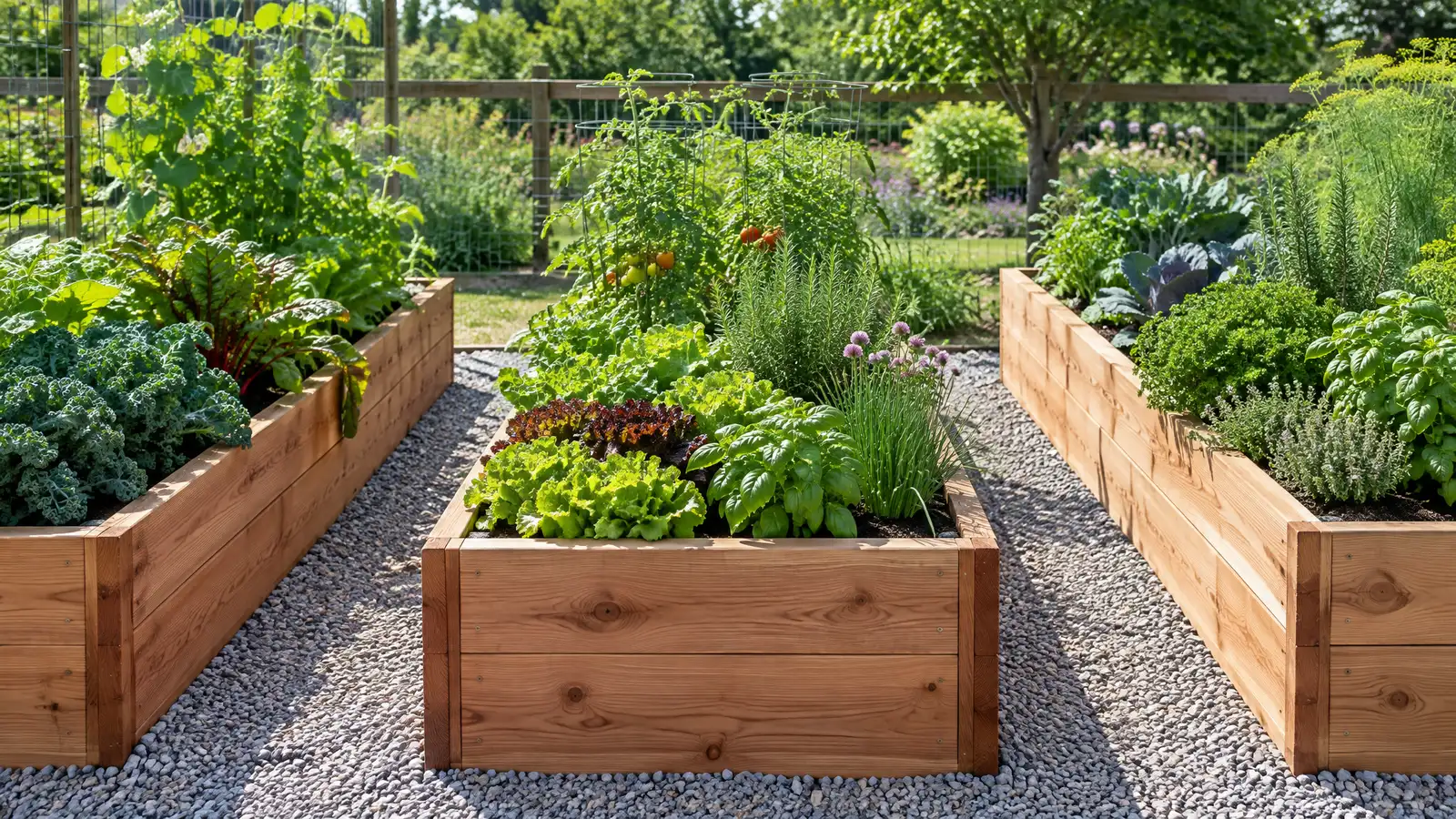
Raised beds in cedar, stone and steel for vegetables, herbs and flowers, with good soil, paths and watering options.
Raised beds make gardening easier. The soil warms earlier, drains better and stays free of the heavy clay below, and the edge puts the plants at a comfortable height. Nashville owners add beds near patios and kitchens so herbs and vegetables are steps away. A good raised bed is built to last, filled with a mix that grows well and set where it gets enough sun.
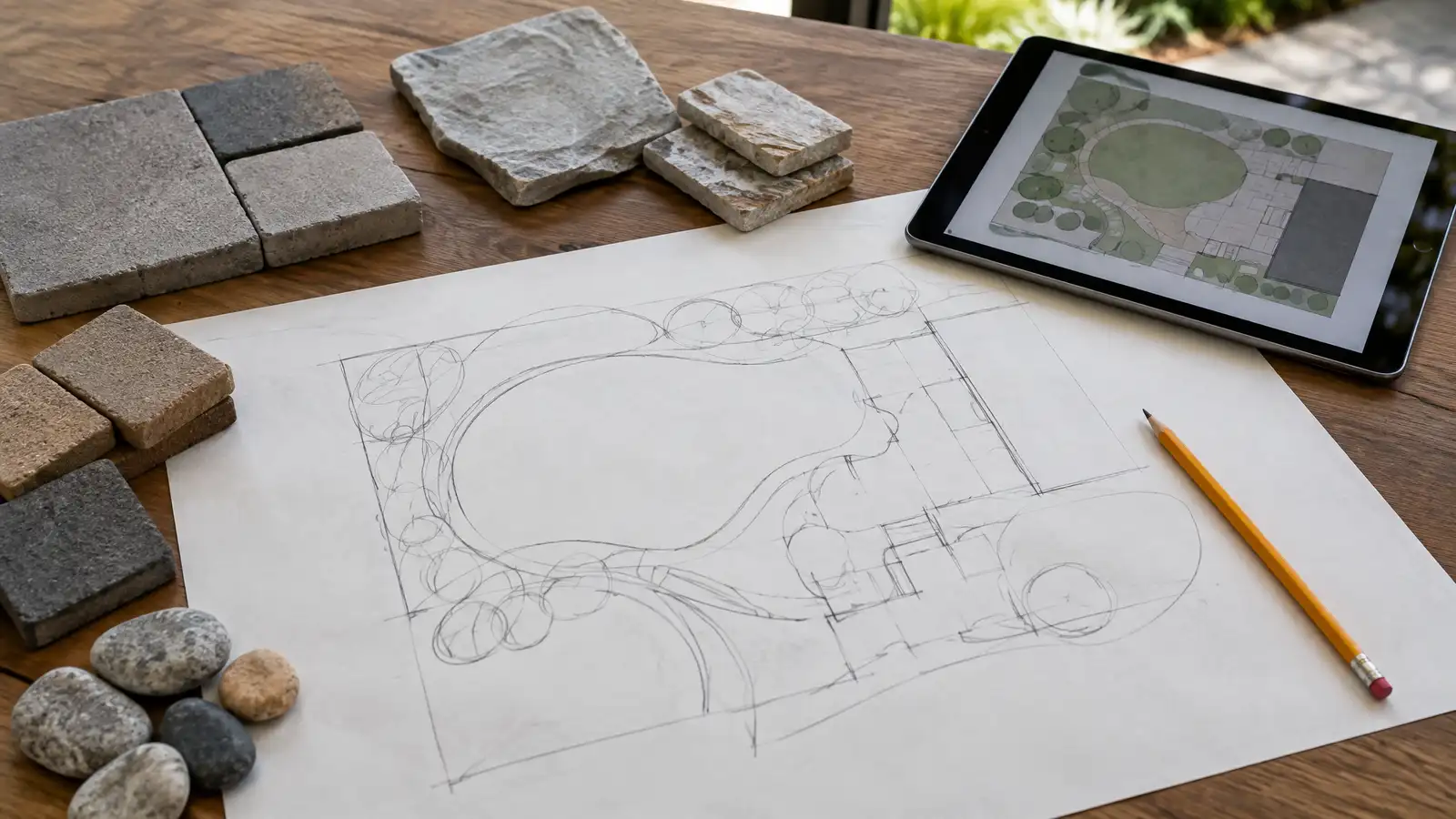
Your designer finds the sunniest spot, plans bed sizes so you can reach the middle and lays out paths between beds. The crew builds beds of cedar, composite, stone or steel, lines the base to keep out weeds, fills them with a quality soil mix and sets up drip or hose access. The scope lists dimensions, materials, soil and paths. Start small and expand. A couple of well-placed beds close to the kitchen get used more than a large garden far away, and we design them so extra beds can be added later without changing the paths. Mulch on the paths, a compost corner and a spot for tools keep the garden tidy. We also suggest crops that grow well here, such as tomatoes, peppers, herbs and greens, and we share a planting calendar.
Most vegetables want six or more hours of sun, and beds are sized so you can reach the center without stepping in.
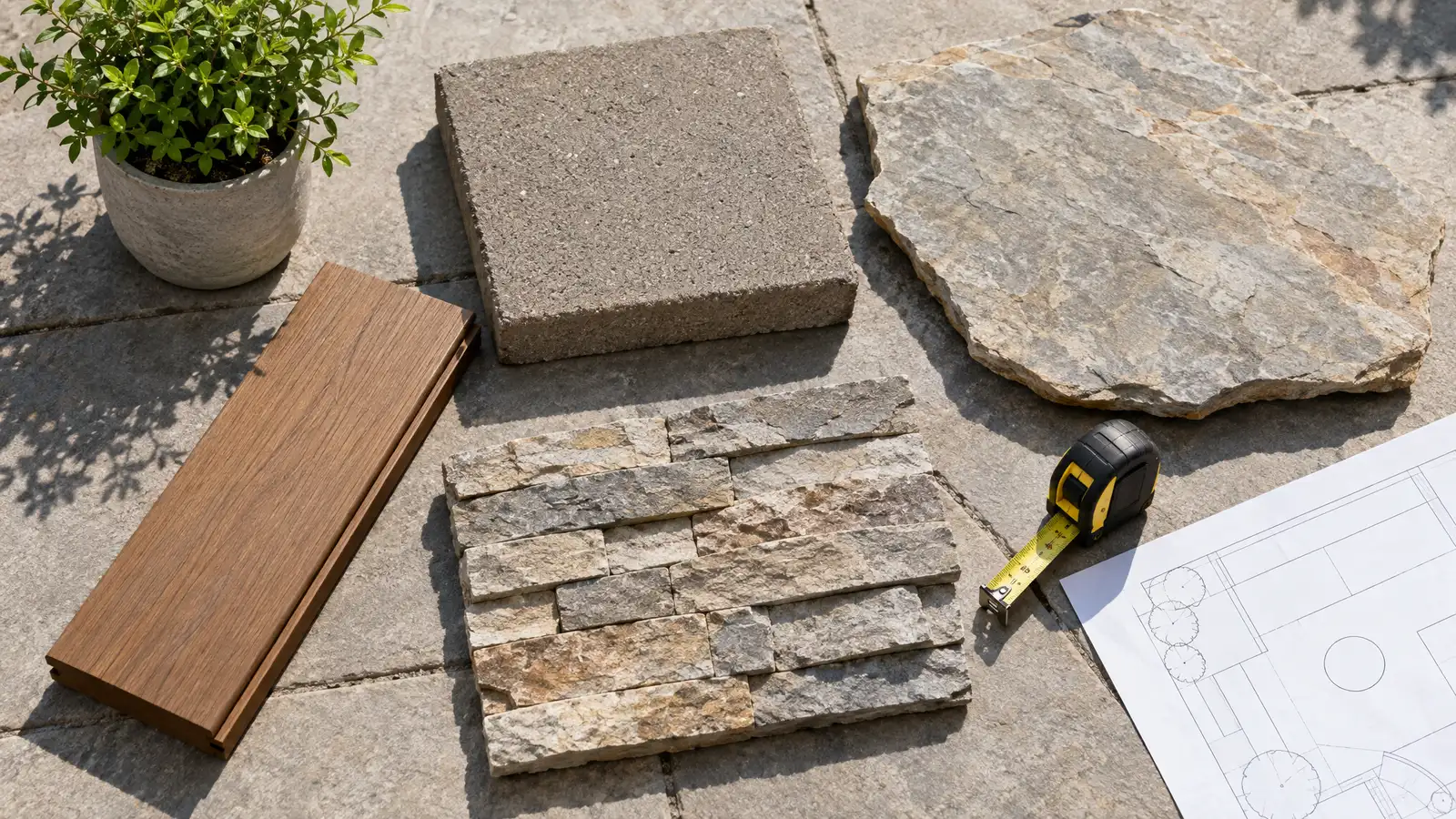
Cedar, stone, composite and steel hold up better than untreated softwood, and we explain the tradeoffs.
A mix of topsoil and compost drains well and feeds plants, which gives better harvests than clay.
Gravel or mulch paths keep feet clean, and drip lines save time.
Drag the handle to compare.
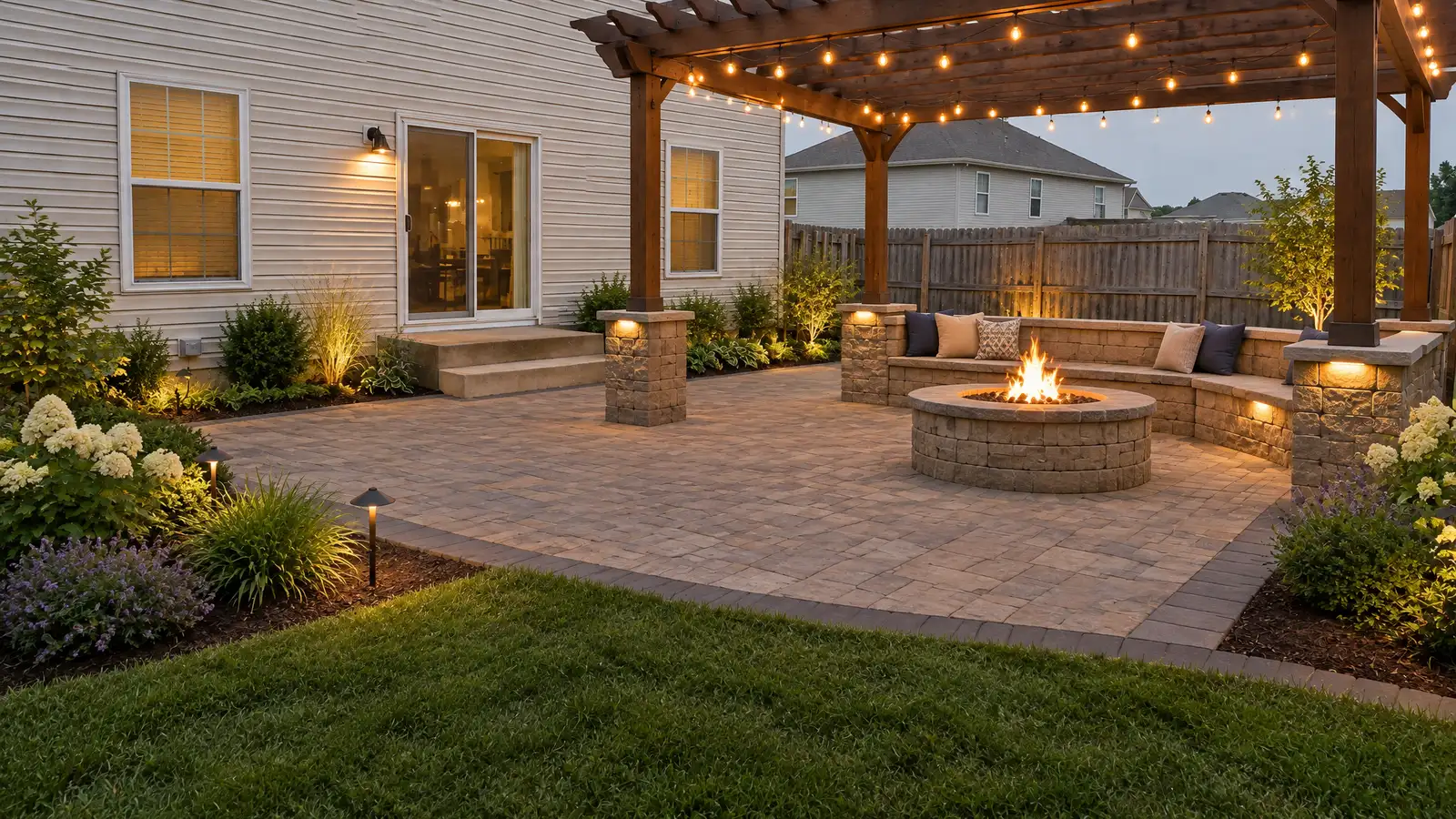
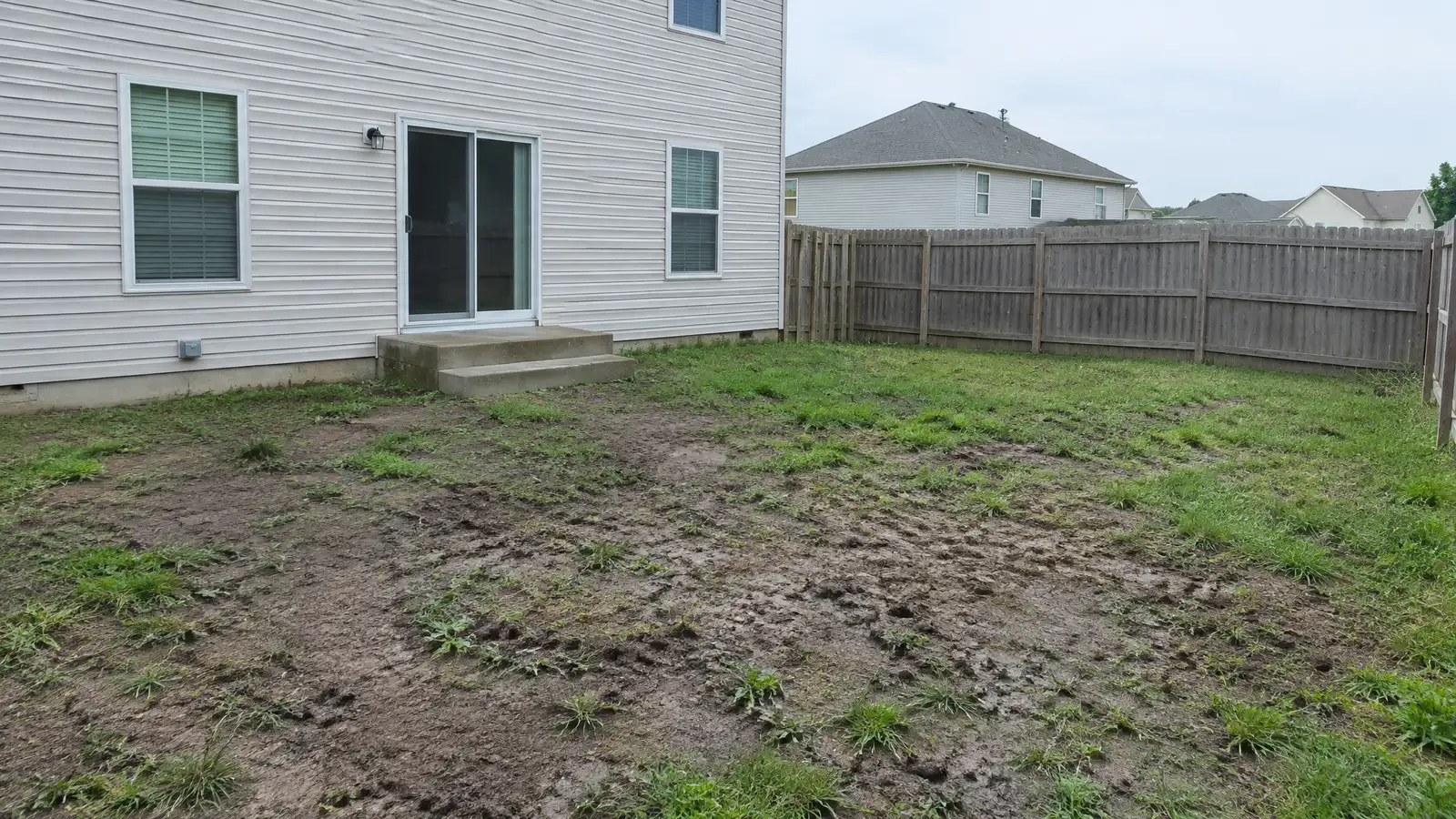 BeforeAfter
Light checked.
Layout drawn.
Frames set.
Soil mix added.
Access completed.
Care guide shared.
Every topic has its own page with what to expect and how we approach it.
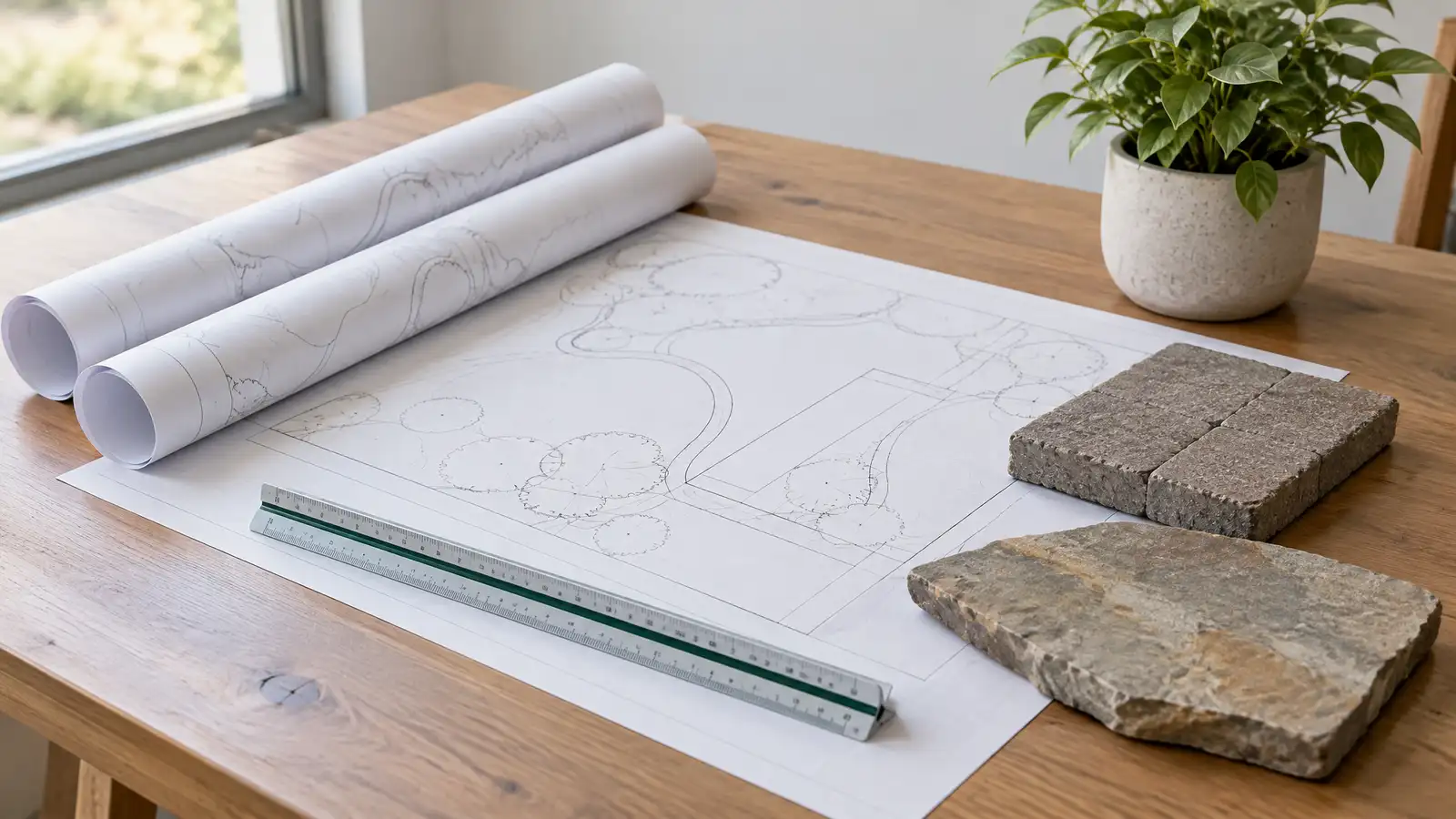 ResourceIAA trade association for the irrigation industry that shares education, water-saving information and consumer resources.Learn more ResourceNALPA trade association for landscape, lawn care, tree care and irrigation professionals that shares industry education and consumer…Learn more ResourceASLAA professional association for landscape architects that publishes design resources, case studies and public information on outdoor places.Learn more
Enter your measurements to see square feet, pavers, base stone, sand, concrete, deck boards or wall block to plan for.
You tell us how you want to use your outdoor space. One call sets up a visit that fits your day.
A designer walks the yard, measures, notes slope, drainage, sun, trees and utilities and listens to your goals.
You see a layout, materials and a written scope with the base, drainage, structures and schedule before anything begins.
Utility marking is requested, the area is excavated and a compacted stone base and drainage are built first.
Surfaces, walls, structures and features are built in a clear order, with checks and photos along the way.
The site is cleaned up, the space is explained on a walk-through and care tips are shared.
Many beds are twelve to eighteen inches tall, and taller beds reduce bending.
Cedar resists rot well, and stone, composite and steel last too.
Usually landscape fabric or hardware cloth, depending on pests and drainage.
A blend of topsoil and compost, and we supply or source it.
Yes, trellises support climbing crops and add height.
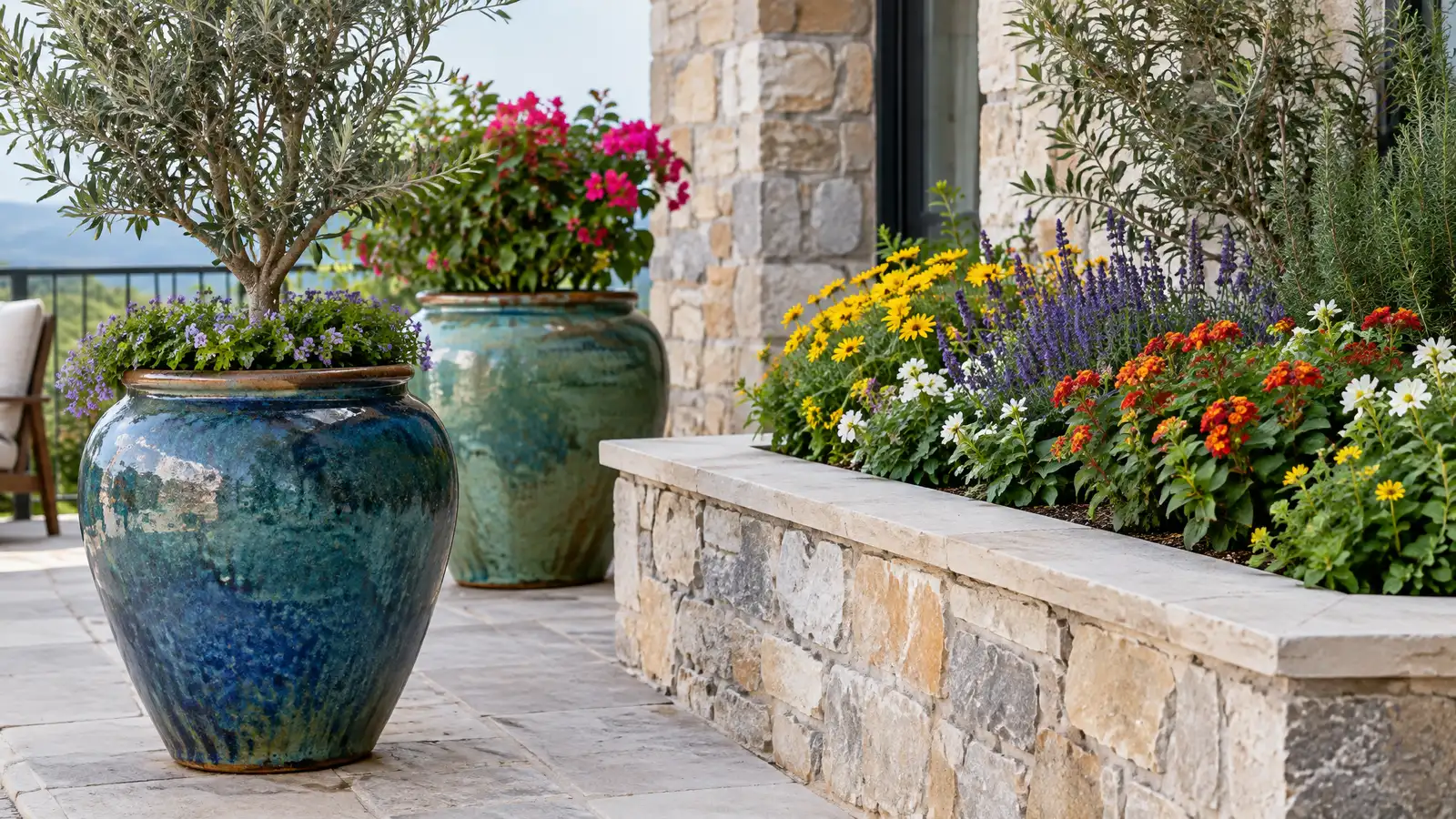 Container Gardens and PlantersBuilt-in and freestanding planters, pots and container gardens that add color and greenery to patios, decks and entries.Explore
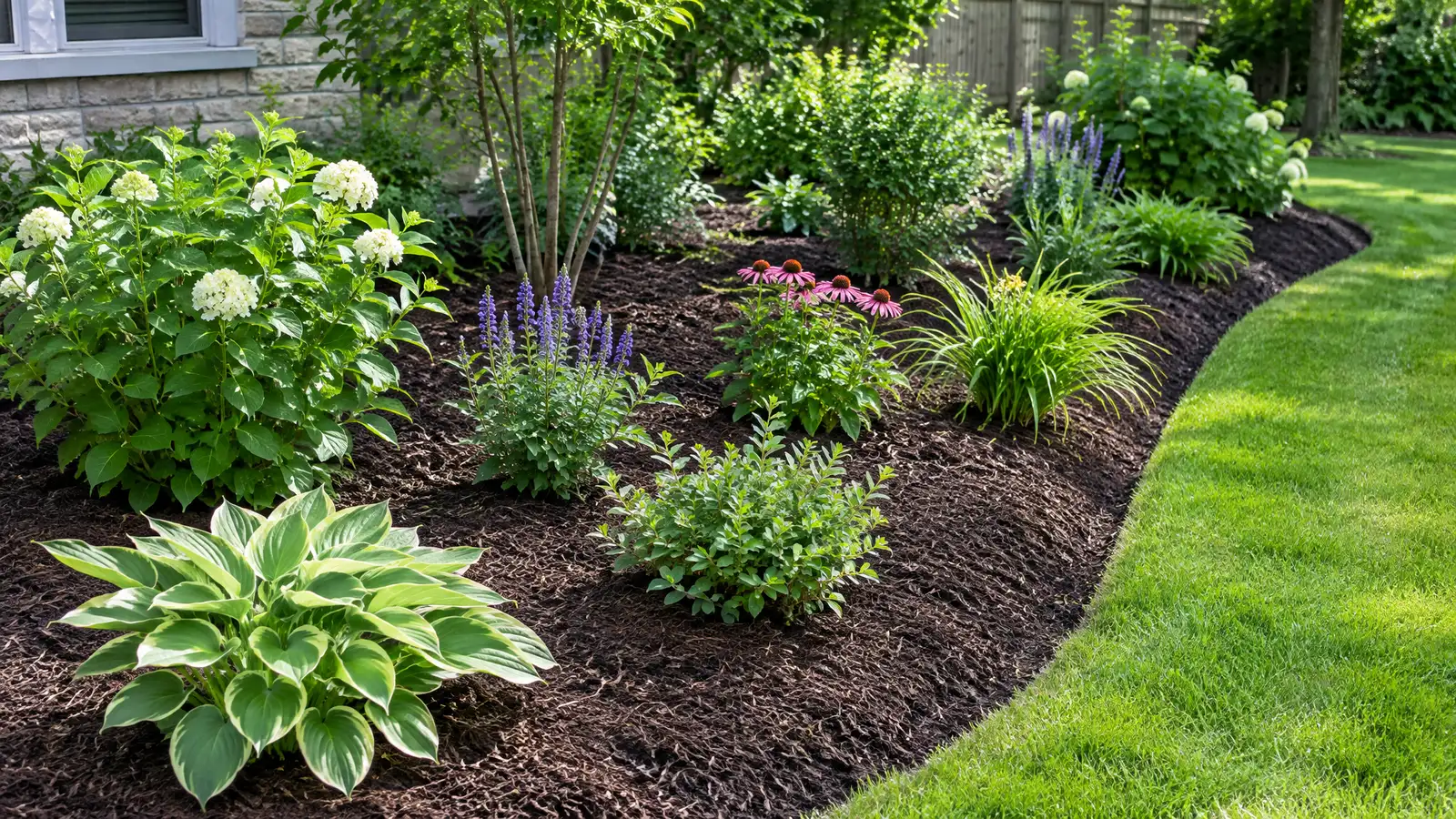 Planting Beds and MulchNew and renovated planting beds with prepared soil, layered plants, edging and mulch that stay tidy and healthy…Explore
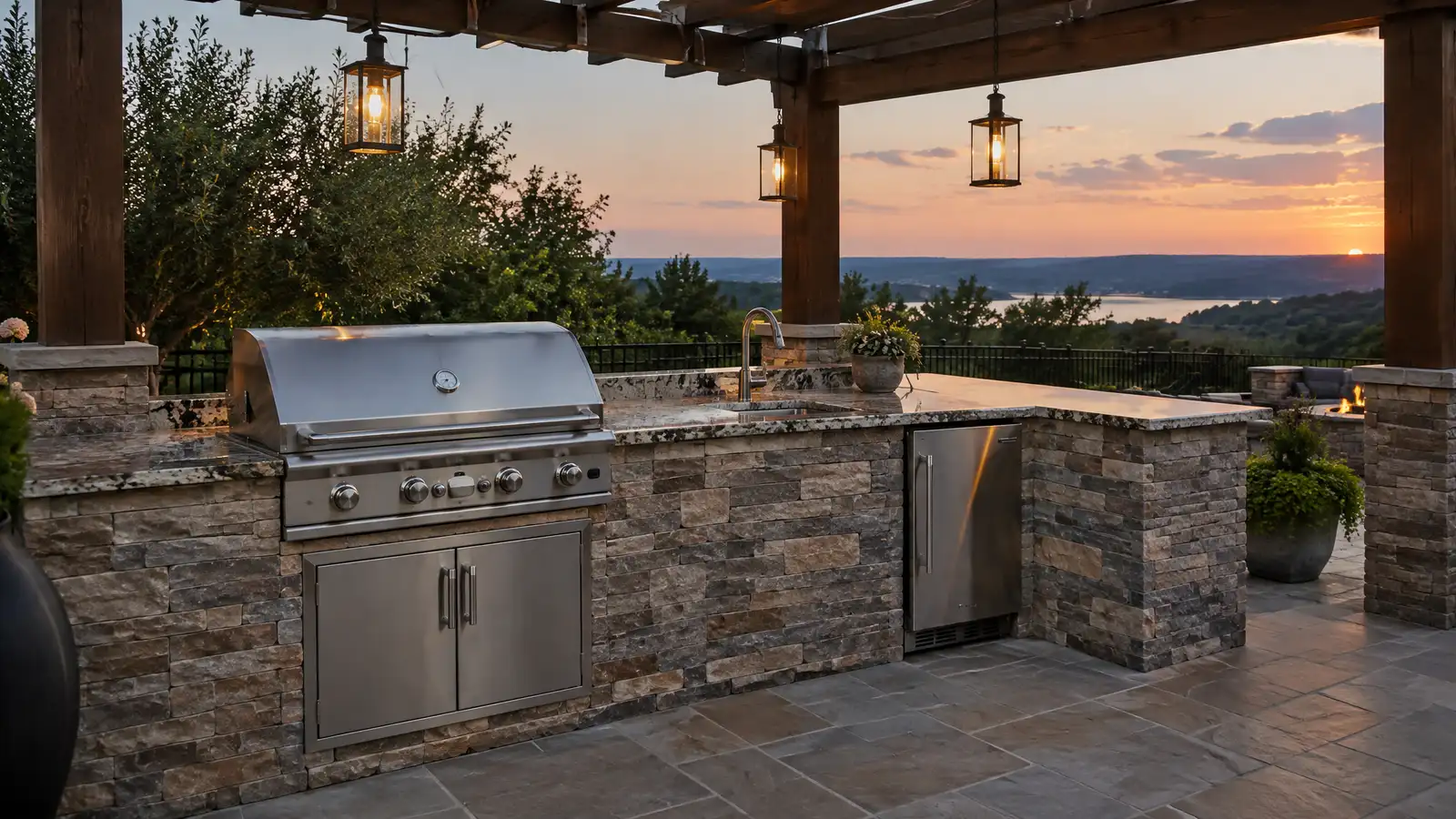 Outdoor KitchensCustom outdoor kitchens with grills, counters, storage, sinks and seating, designed around how you cook and entertain.Explore
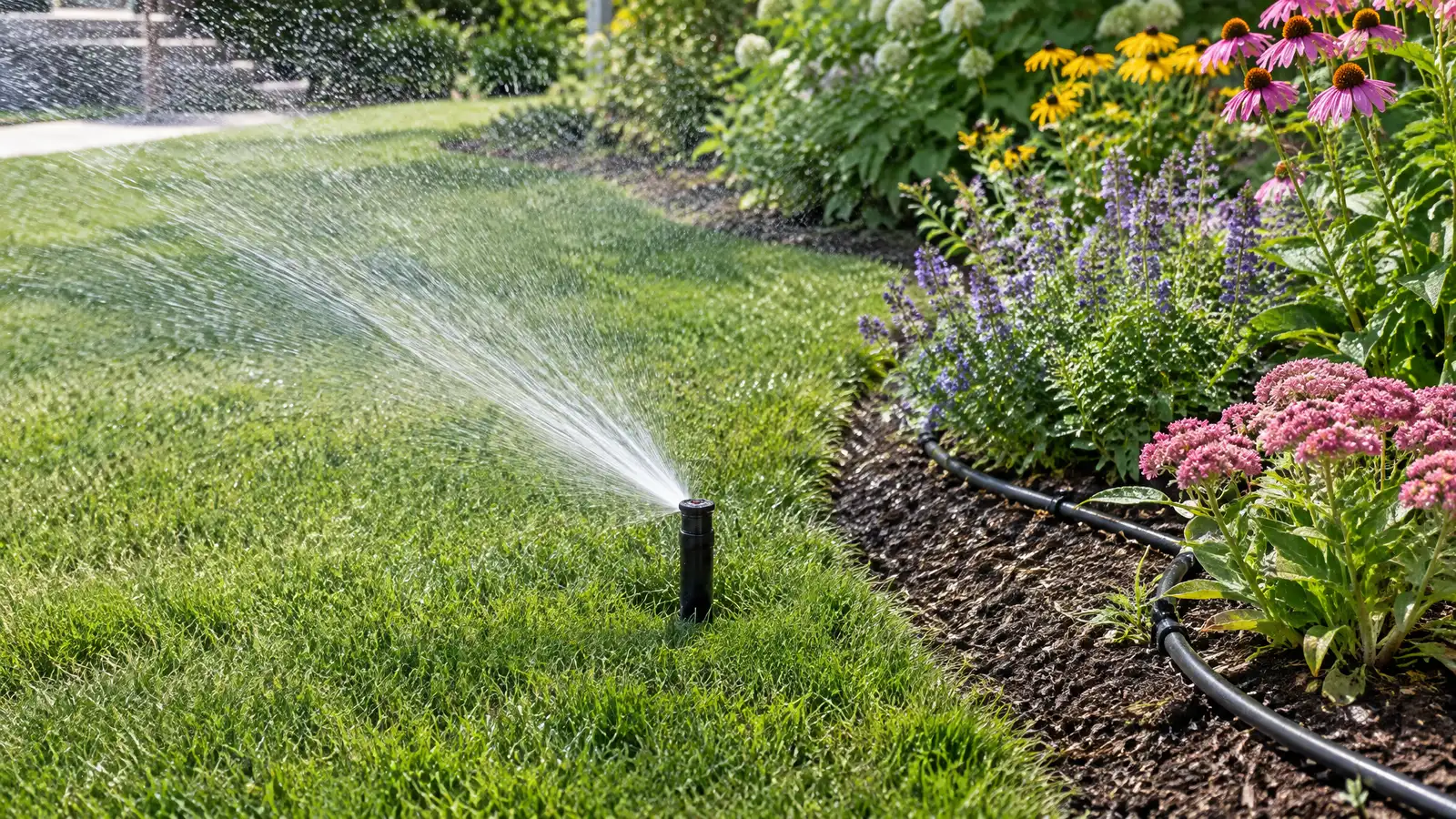 Irrigation and Sprinkler SystemsZoned sprinkler and drip irrigation that waters lawns, beds and pots efficiently, with smart controllers and rain sensors.Explore
Tell us about your yard and one designer will call you back to set up a visit.
Or call (615) 431-3789 to talk now.