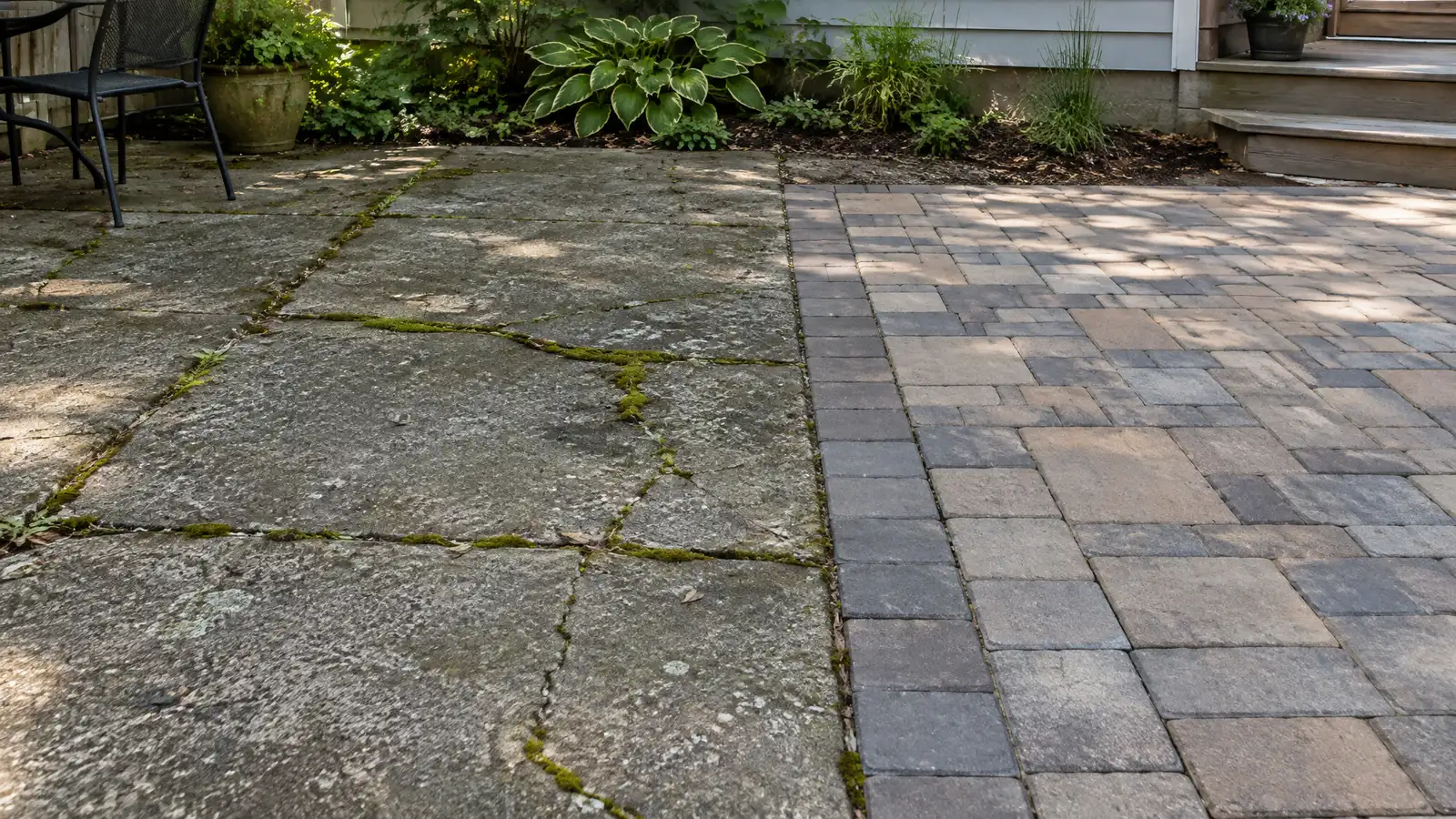
Interlocking concrete and clay paver patios set on a compacted stone base, with patterns, borders and colors that suit your home.
Pavers are the most flexible patio surface there is. Each unit is set by hand on a compacted stone base, so the surface can flex a little with the ground and any section can be lifted and reset if a pipe needs repair. Homeowners in Nashville like pavers for their range of colors, textures and patterns and for the way a well built paver patio looks the same decade after decade.
Your installer excavates to the planned depth, builds a compacted base of crushed stone in layers, screeds a thin bed of sand and sets pavers in the chosen pattern, with cuts made neatly at curves and edges. Edge restraint holds the field in place, joints are filled with polymeric or stone dust sand and the surface is compacted so it locks together. You approve color, pattern and border details in writing before work begins.
Layers of compacted crushed stone spread the load and drain water, which is what keeps pavers flat through wet winters and freeze and thaw cycles.
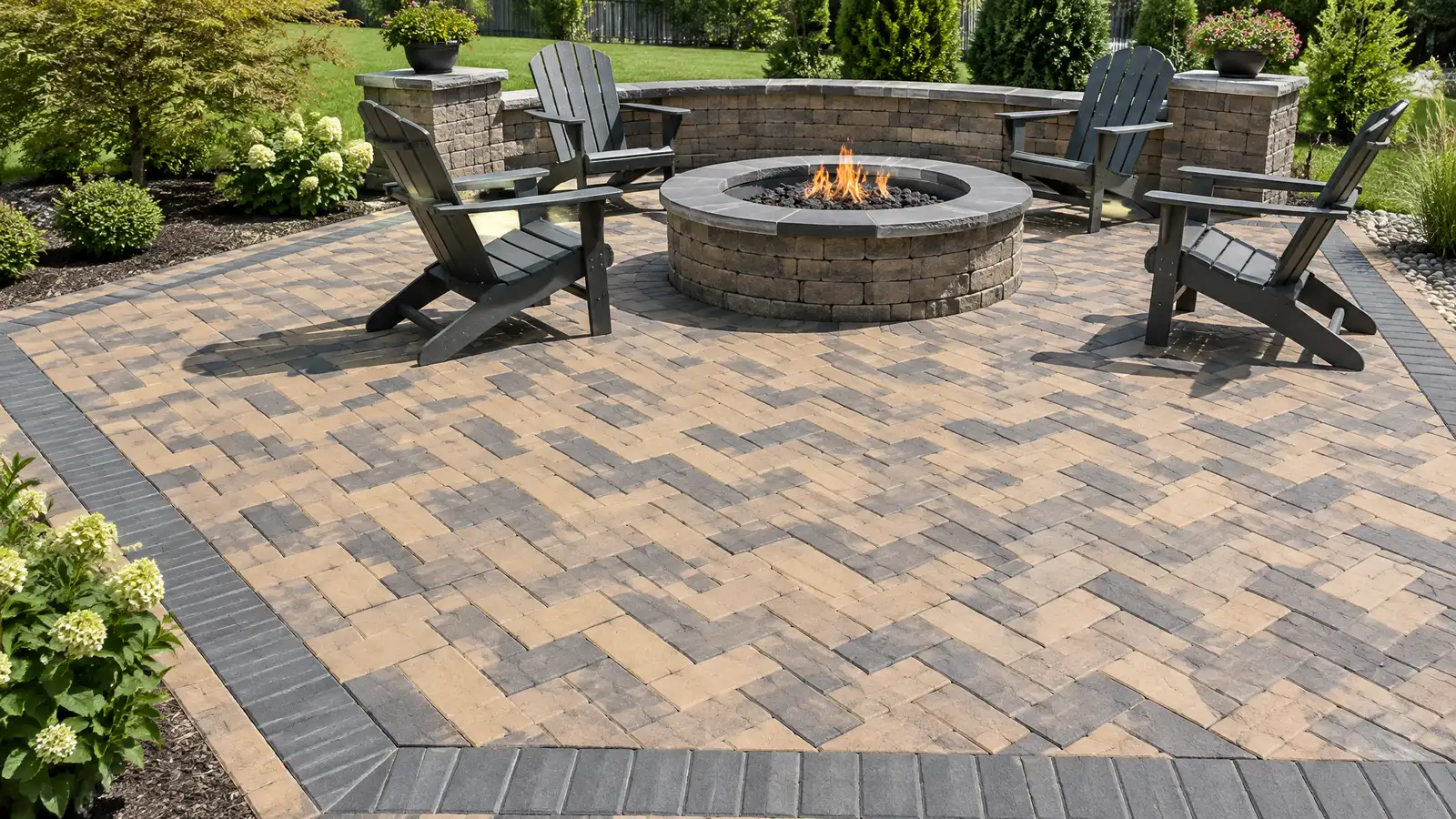
Running bond, herringbone, basket weave and soldier courses change the look and the strength, and borders frame the field neatly.
A firm edge keeps pavers from spreading, so it is installed on the compacted base before the surface is finished.
Polymeric sand or stone dust fills the joints, locks the units together and slows weeds, and the plan explains when to top it up.
Drag the handle to compare.
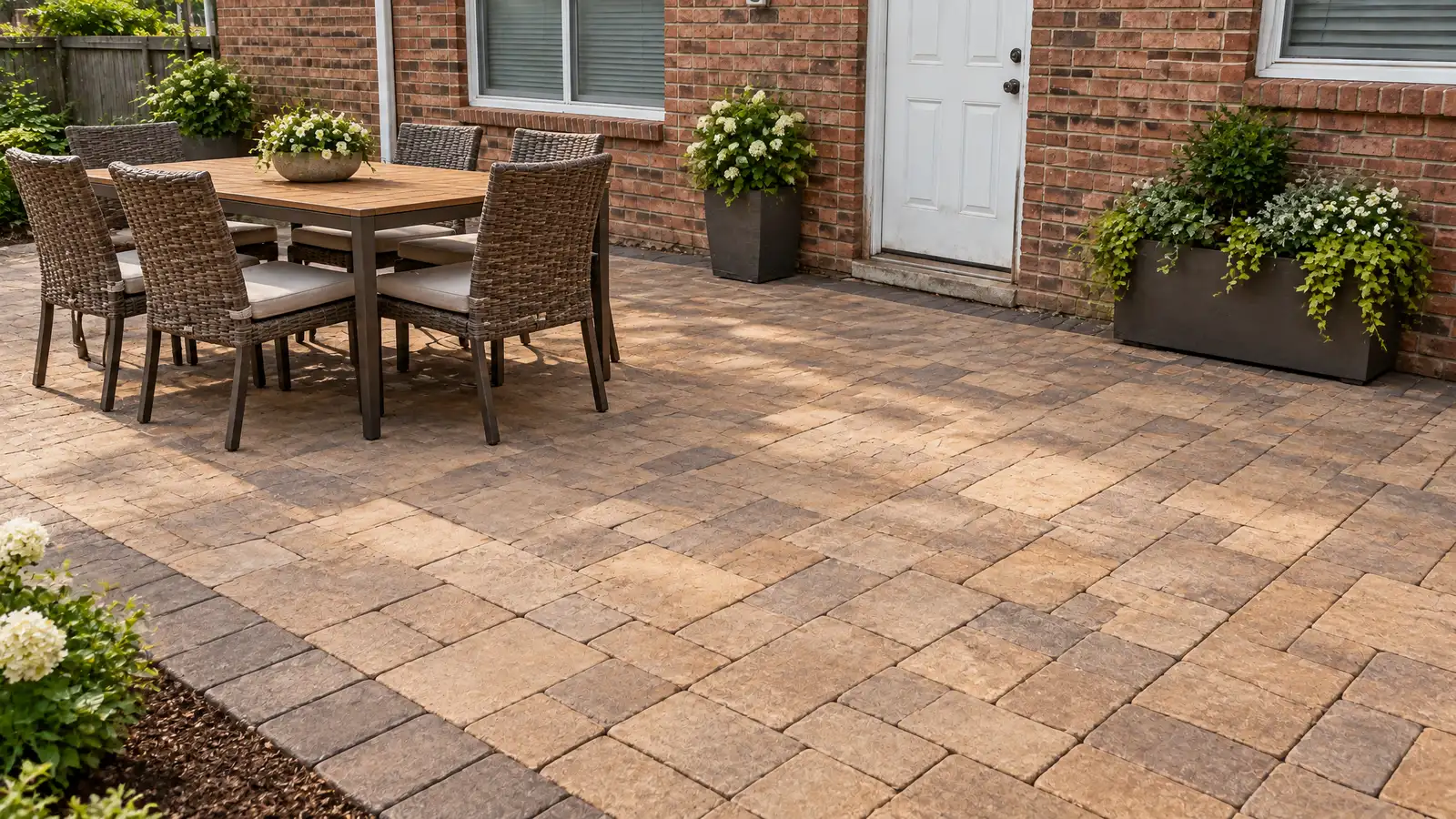
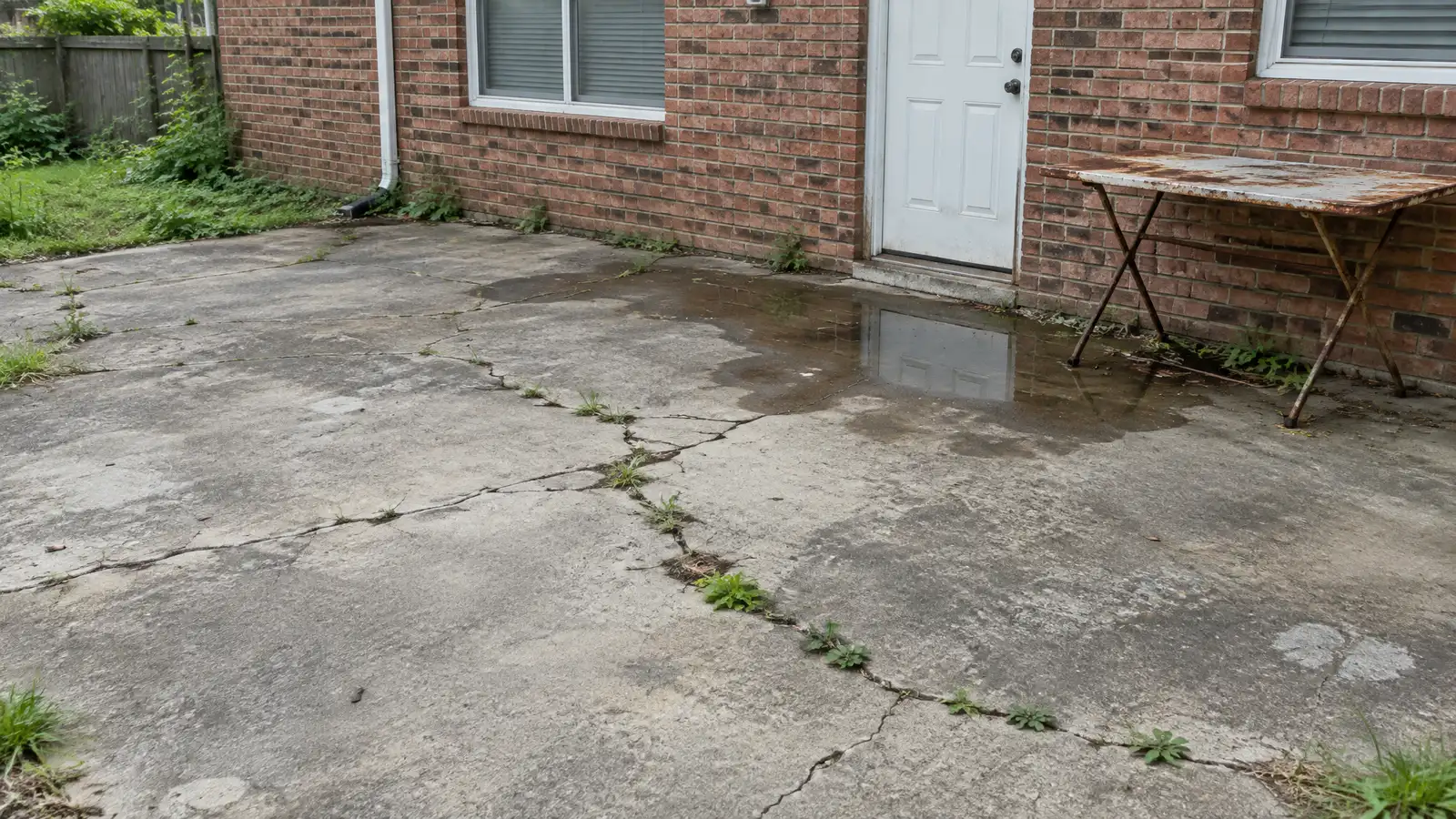 BeforeAfter
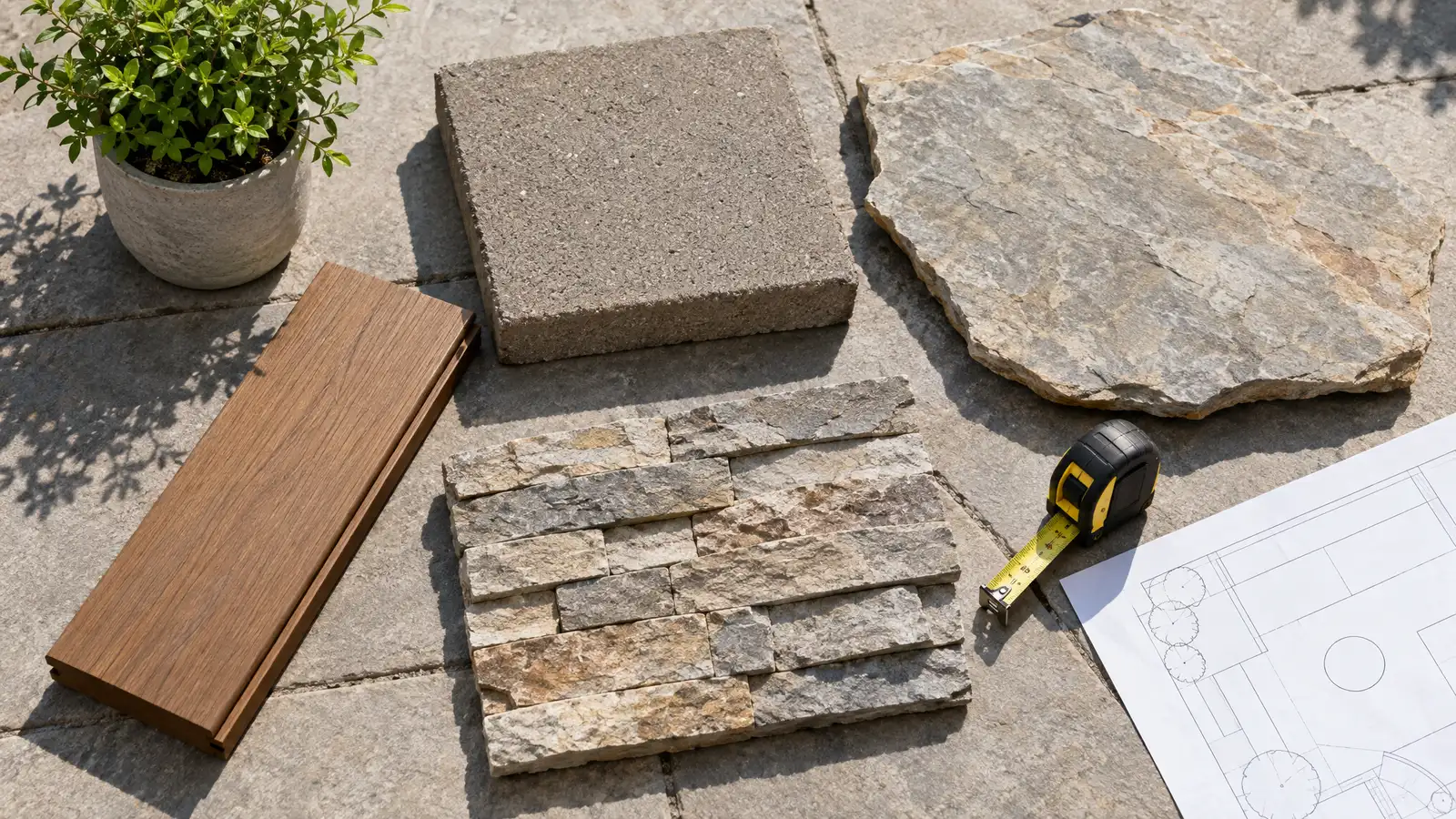
Samples and layouts reviewed.
Base built in layers.
Screeded to a smooth plane.
Pattern and borders placed.
Edges finished and fixed.
Joints filled and locked.
Every topic has its own page with what to expect and how we approach it.
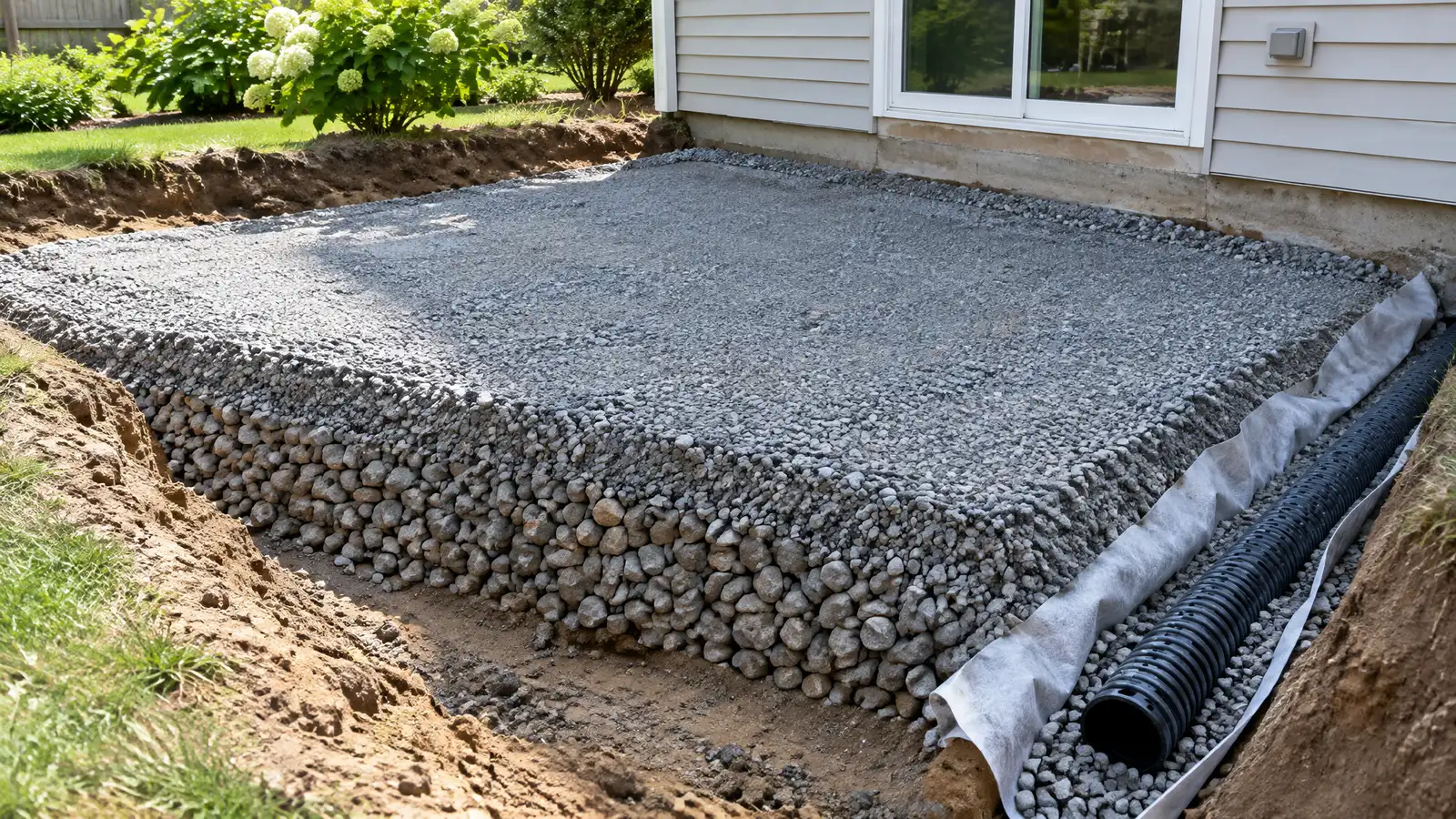 Comparison guidePatio Base and DrainageWhy excavation, compacted stone, bedding and slope decide how well a patio lasts, especially in clay soil.Learn more
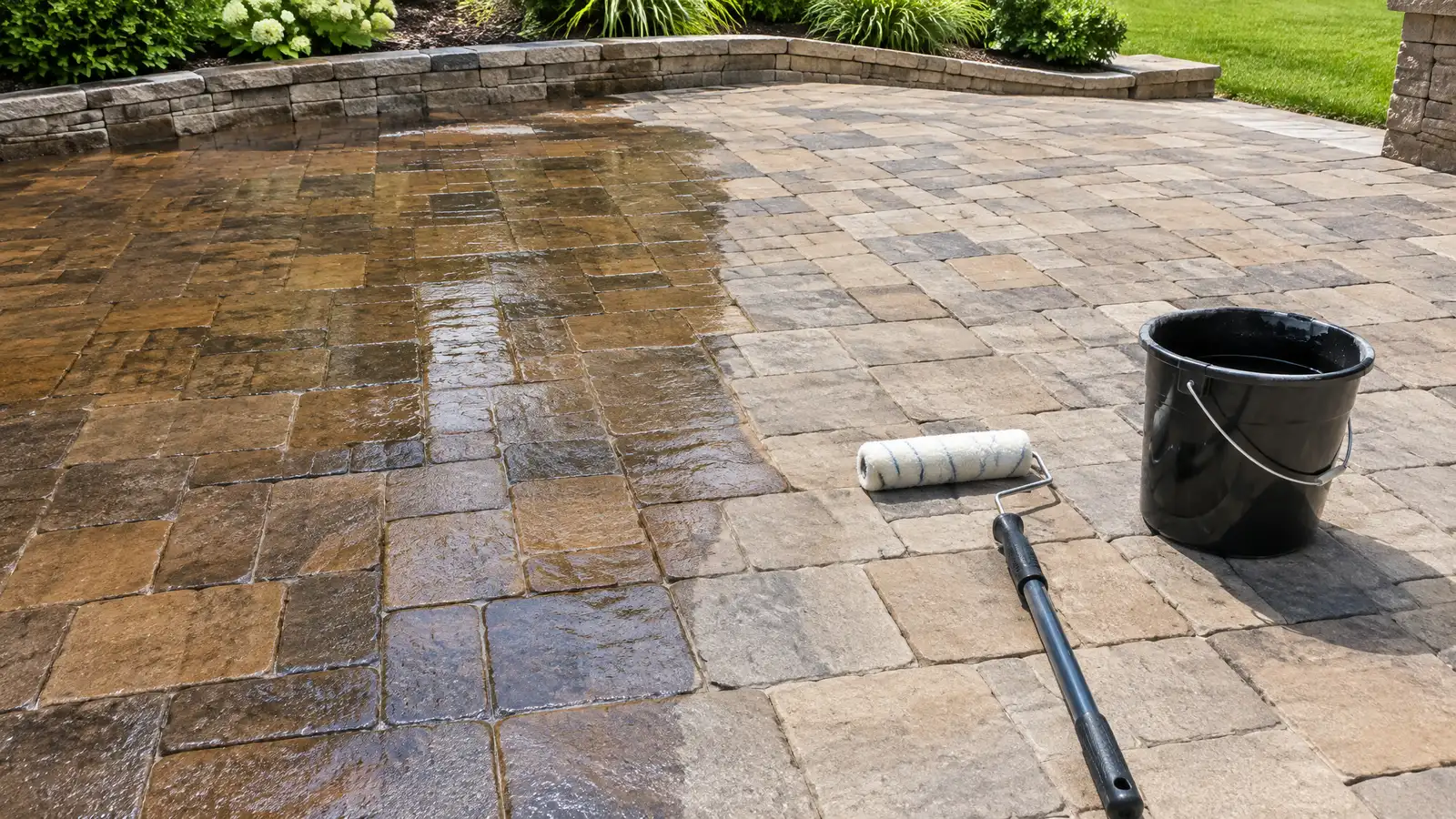 Comparison guidePatio Sealers and MaintenanceHow film-forming and penetrating sealers work, when to apply them and how to clean and care for patios.Learn more
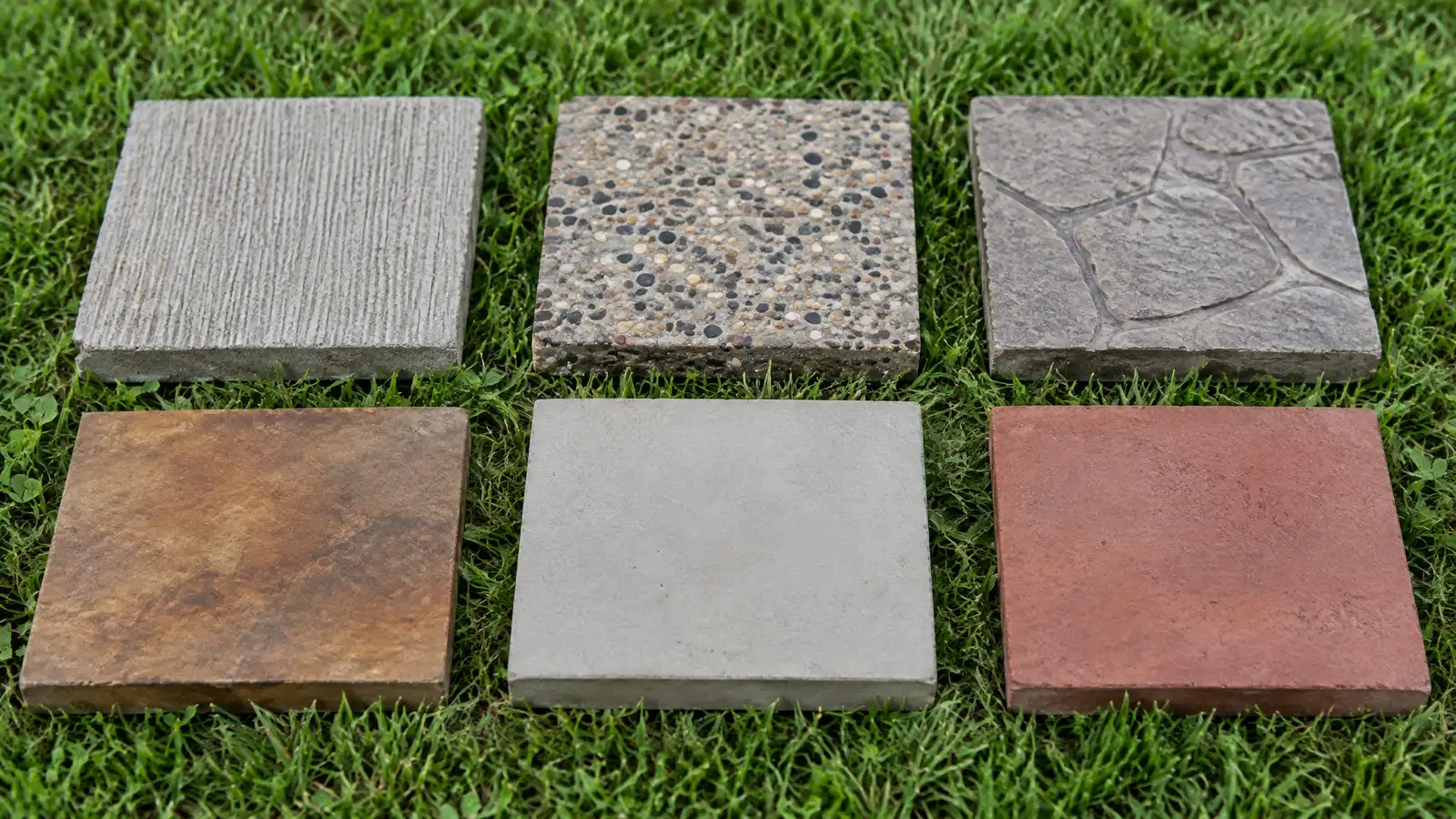 Comparison guideConcrete Finishes and ColorsHow broom, smooth, exposed aggregate, stamped, stained and integral color finishes differ in grip, look and care.Learn more
Pick a patio, deck, kitchen, fire pit, wall or lighting job, set the size and add extras to see a ballpark planning range. Placeholder values only.
You tell us how you want to use your outdoor space. One call sets up a visit that fits your day.
A designer walks the yard, measures, notes slope, drainage, sun, trees and utilities and listens to your goals.
You see a layout, materials and a written scope with the base, drainage, structures and schedule before anything begins.
Utility marking is requested, the area is excavated and a compacted stone base and drainage are built first.
Surfaces, walls, structures and features are built in a clear order, with checks and photos along the way.
The site is cleaned up, the space is explained on a walk-through and care tips are shared.
They suit different goals. Pavers can be repaired in sections and do not crack the way a slab can, while poured concrete is seamless. We explain the trade-offs for your yard.
Seeds can land in any joint, and polymeric sand and a good base slow them. A little occasional care keeps joints clean.
A weak or poorly compacted base can let them settle, which is why base preparation is the most important part of the job.
Sweeping, a gentle wash and occasional re-sanding are usually enough, and we share a simple care routine.
Yes, with the right pavers, a deeper base and edge details for the load and use.
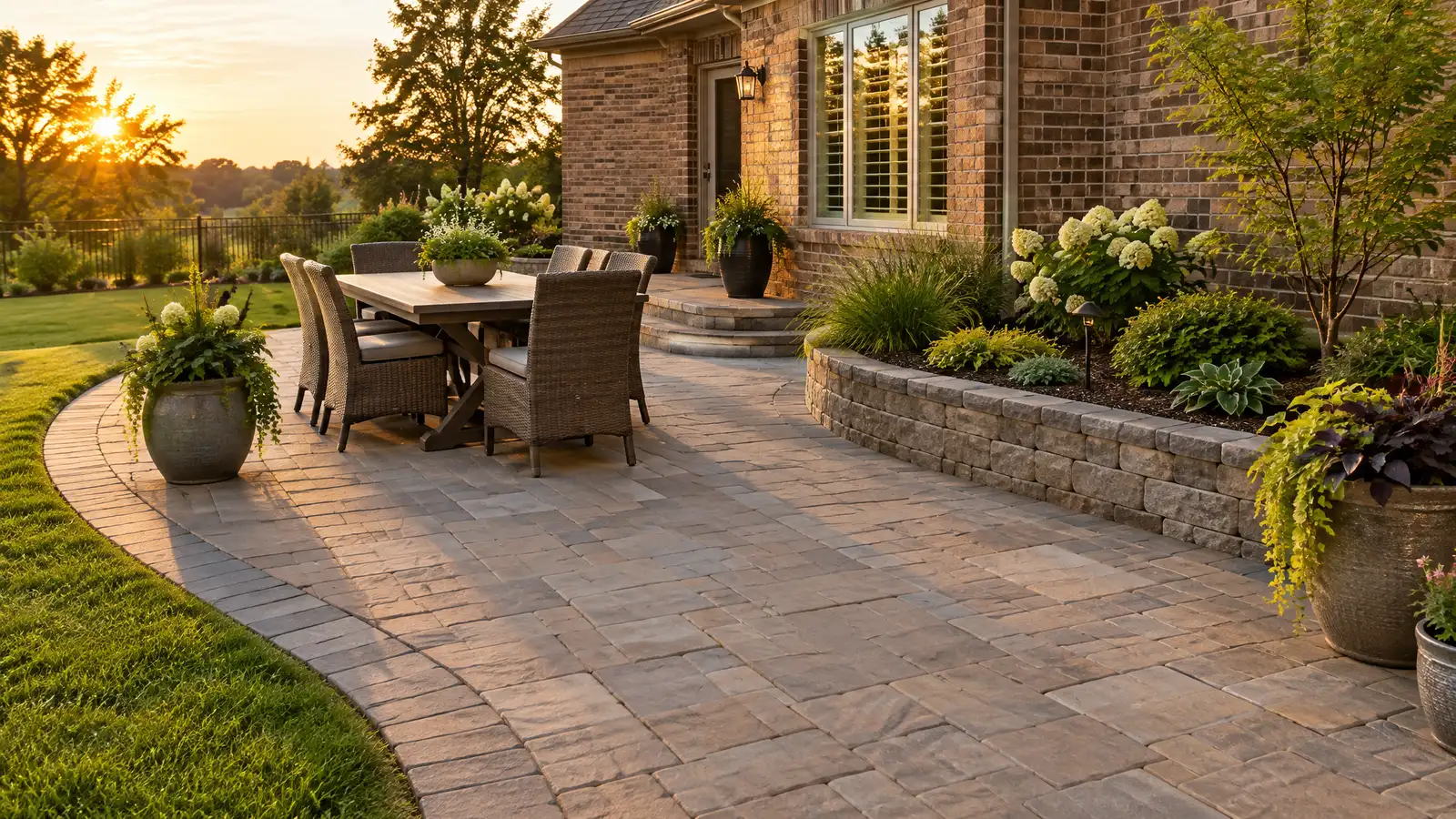 Custom PatiosCustom patios designed around how you live, with a compacted base, drainage and the surface, shape and size…Explore
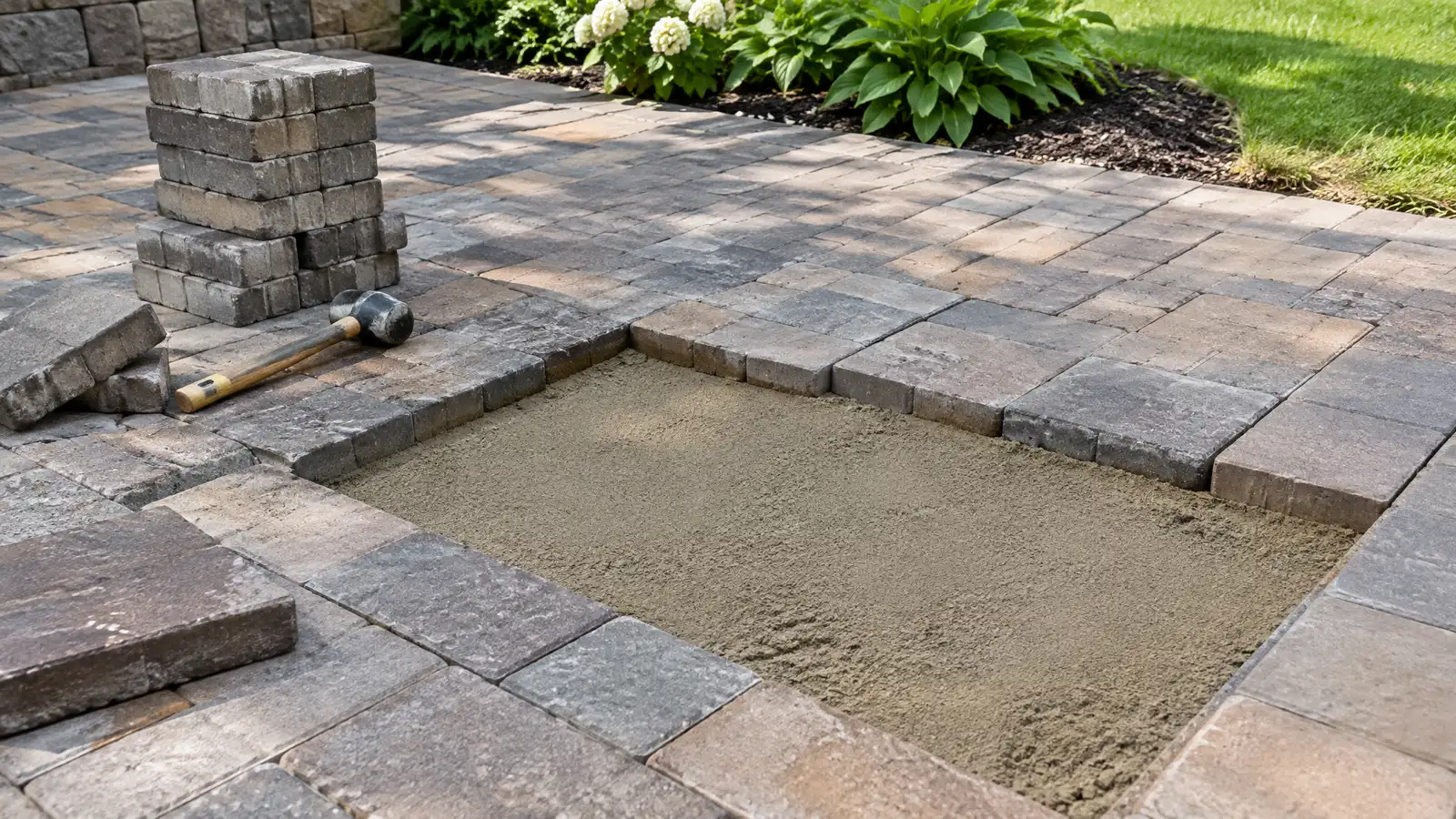 Patio Repair and Paver LevelingFix sunken pavers, wobbly stones, cracked slabs and uneven patios by rebuilding the base and relaying the surface…Explore
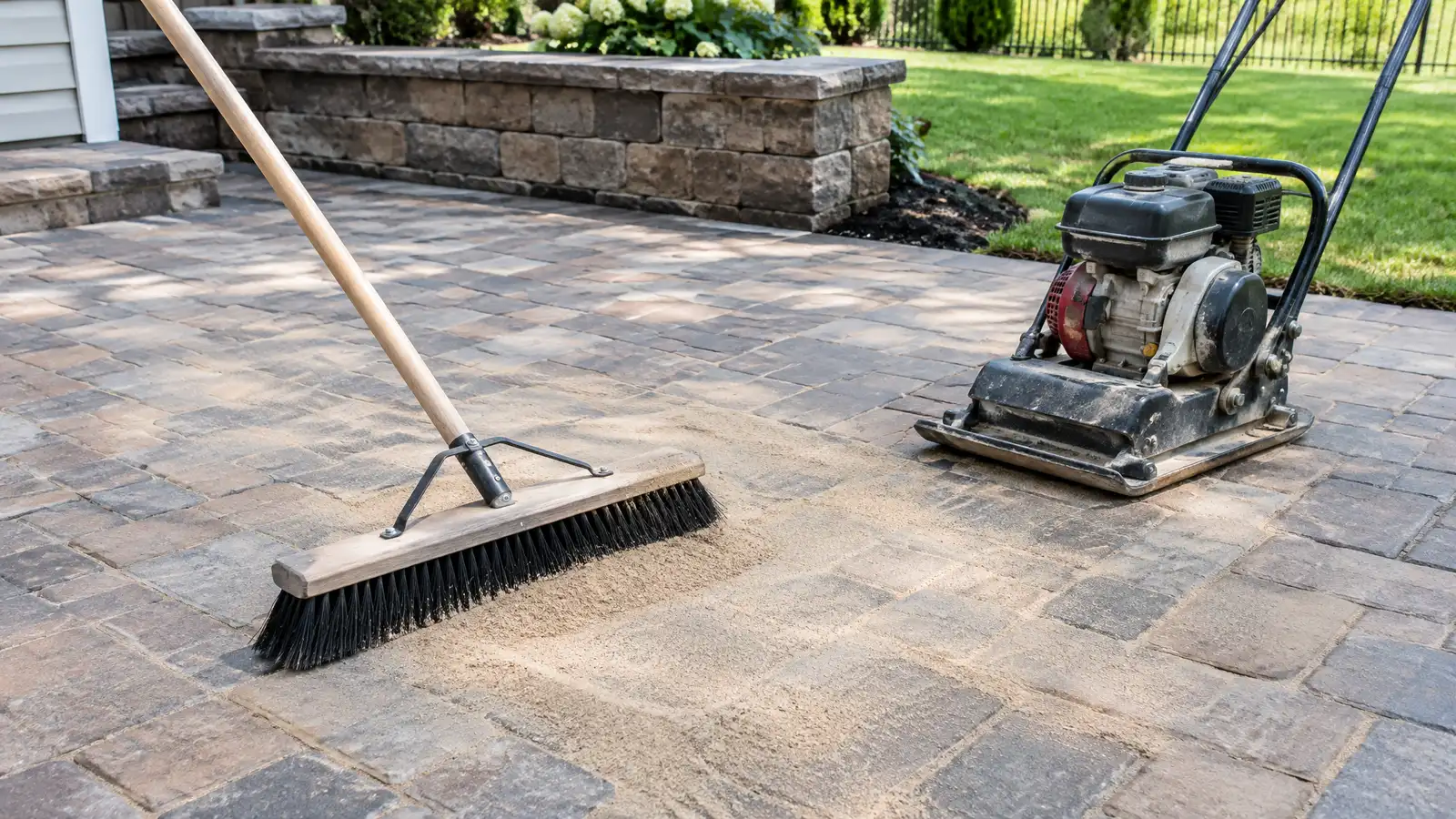 Patio Sealing and Joint SandingSealing and re-sanding that protects pavers and stone from stains, weeds and weather and brings back their color.Explore
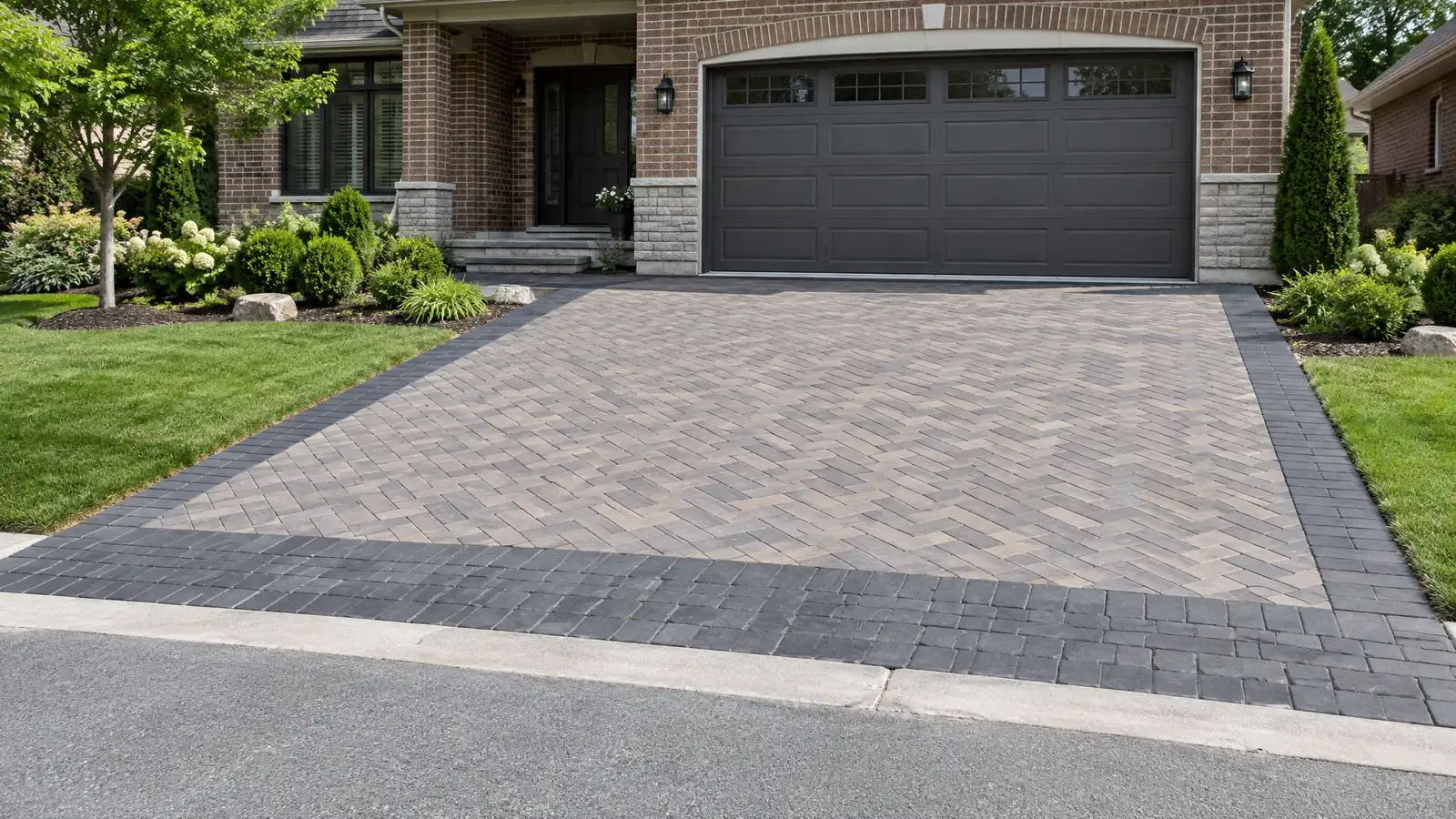 Paver Driveways and ApronsInterlocking paver driveways and aprons with heavy-duty bases that carry vehicles and look like part of the home.Explore
Tell us about your yard and one designer will call you back to set up a visit.
Or call (615) 431-3789 to talk now.