Size and shape
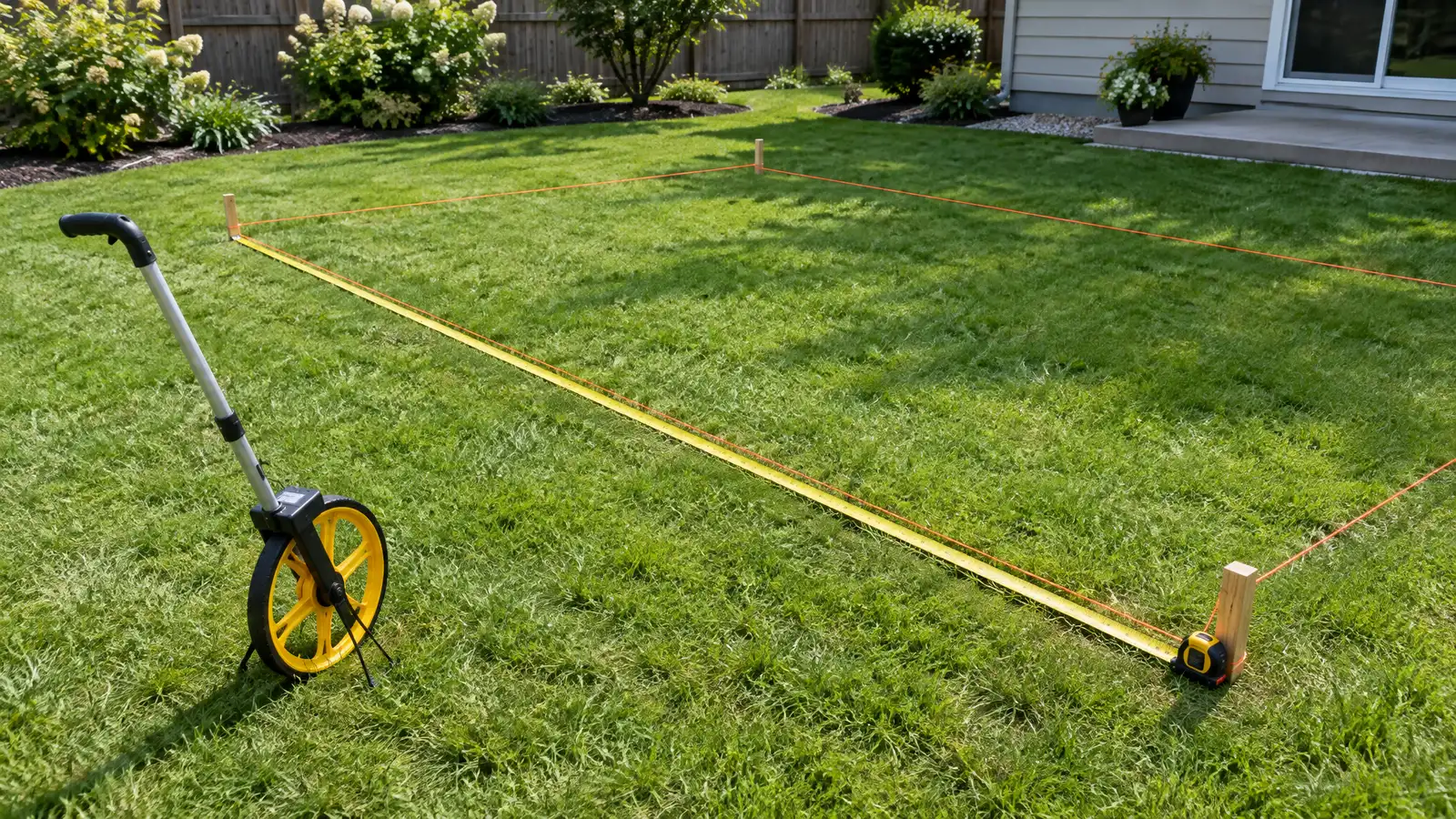
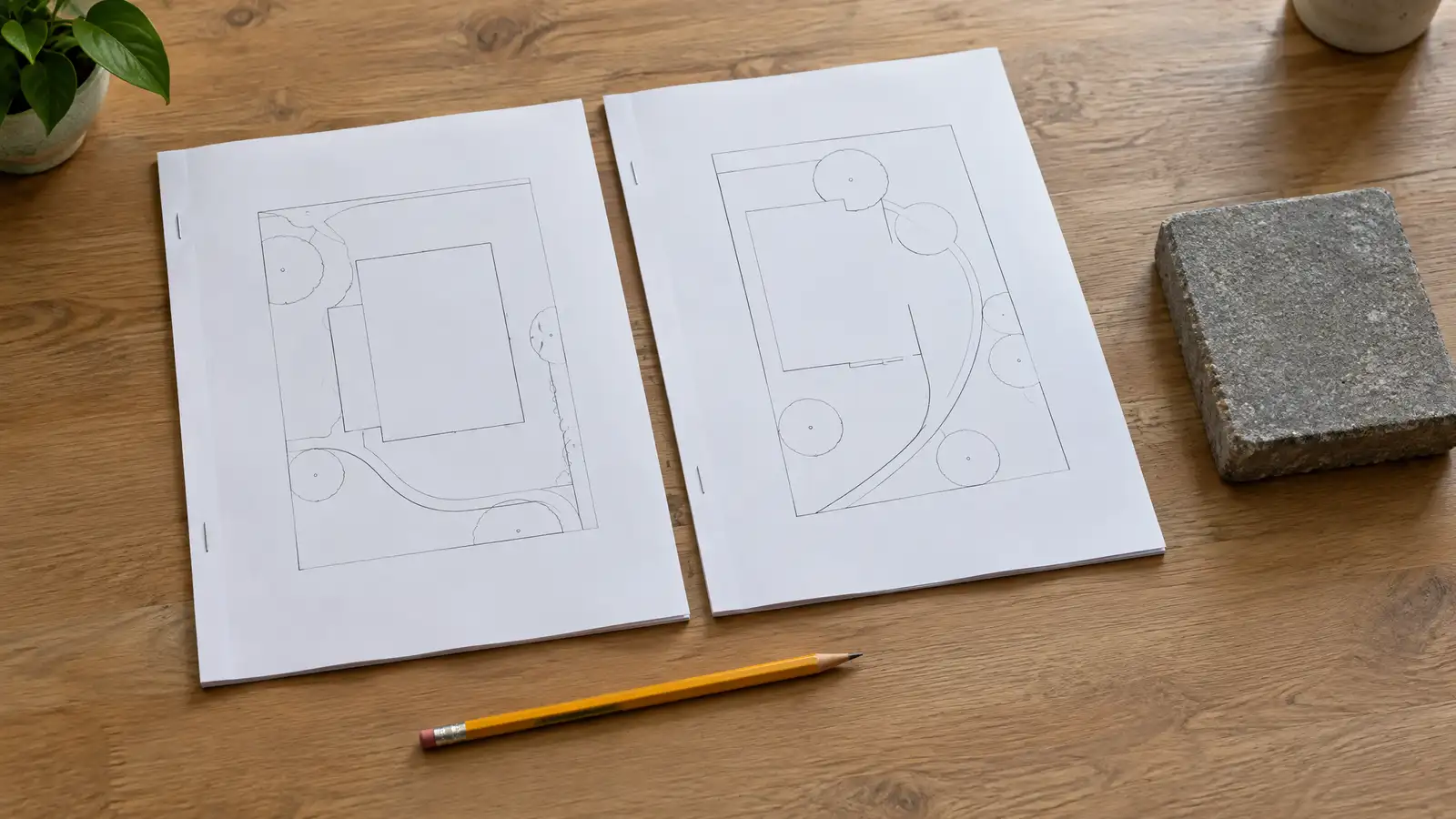
The square footage sets the baseline, and curves, steps and borders add labor. A simple rectangle costs less to build than a patio with many curves and levels.
Larger patios often cost less per square foot because setup is spread over more area.
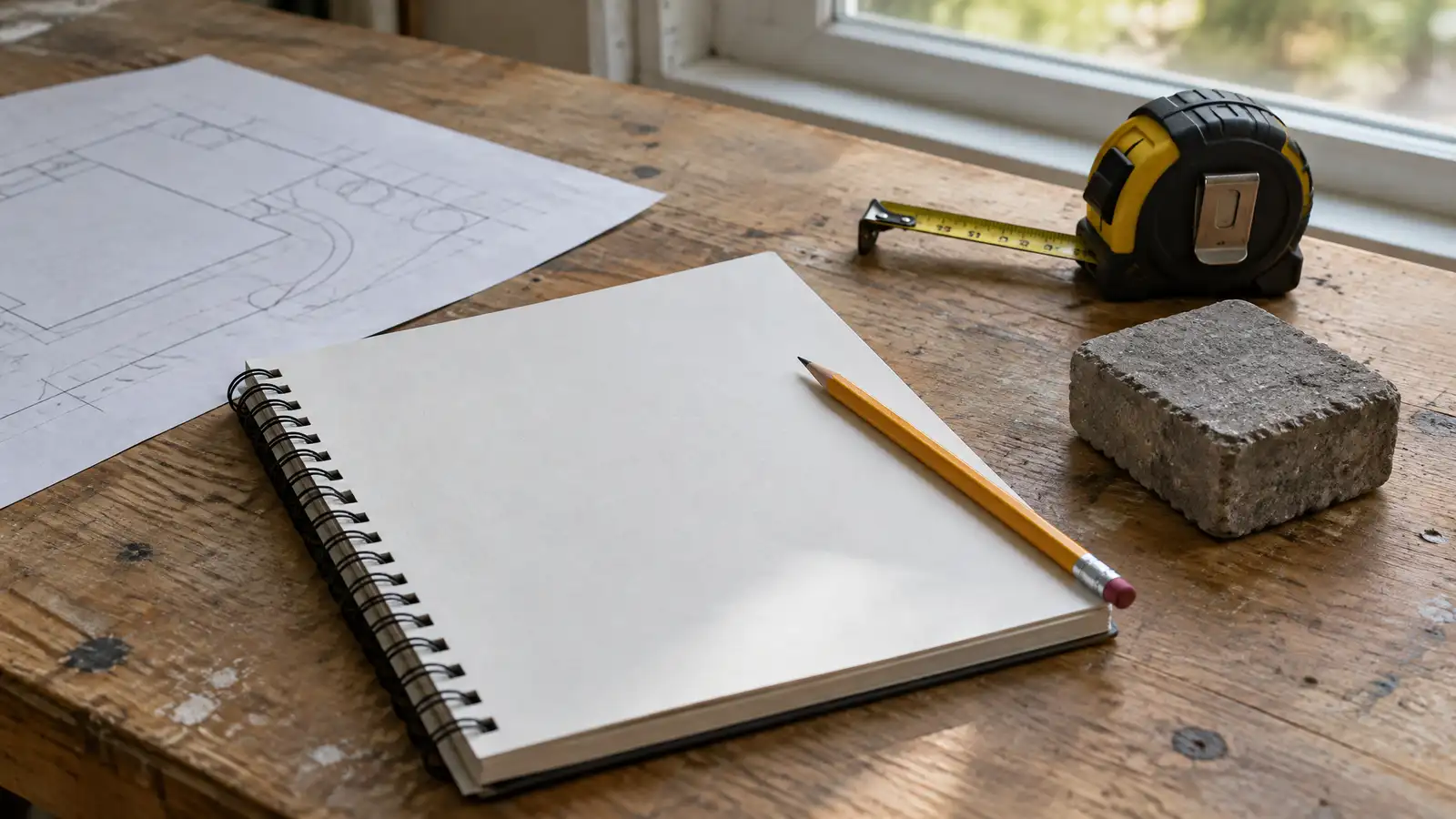
A rough sketch with dimensions helps you compare quotes, since each contractor starts with the same size and shape.
Materials
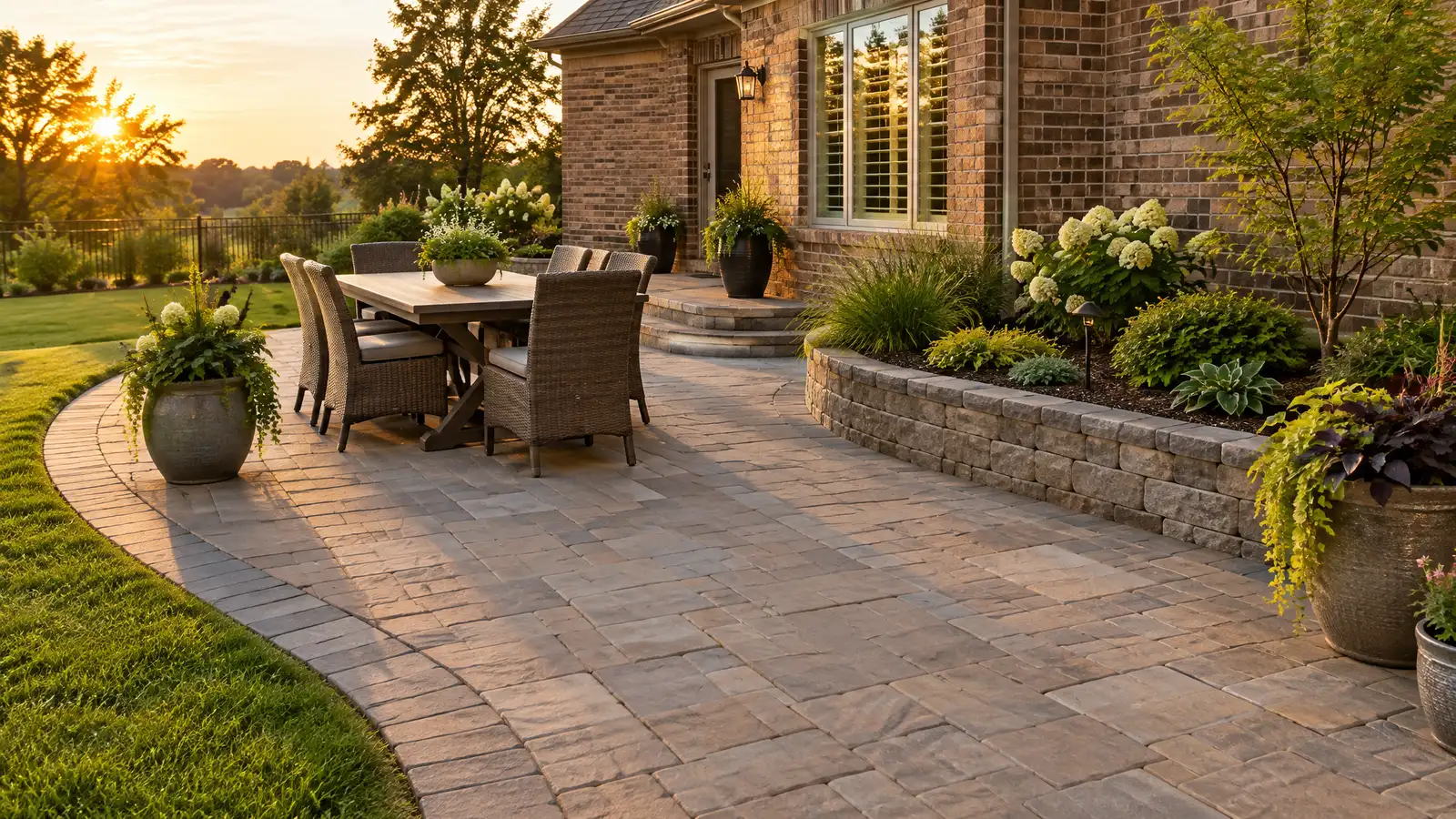
Concrete, pavers, natural stone and tile have different material and labor needs. Natural stone and large format slabs often need more skill, and plain concrete is usually simpler.
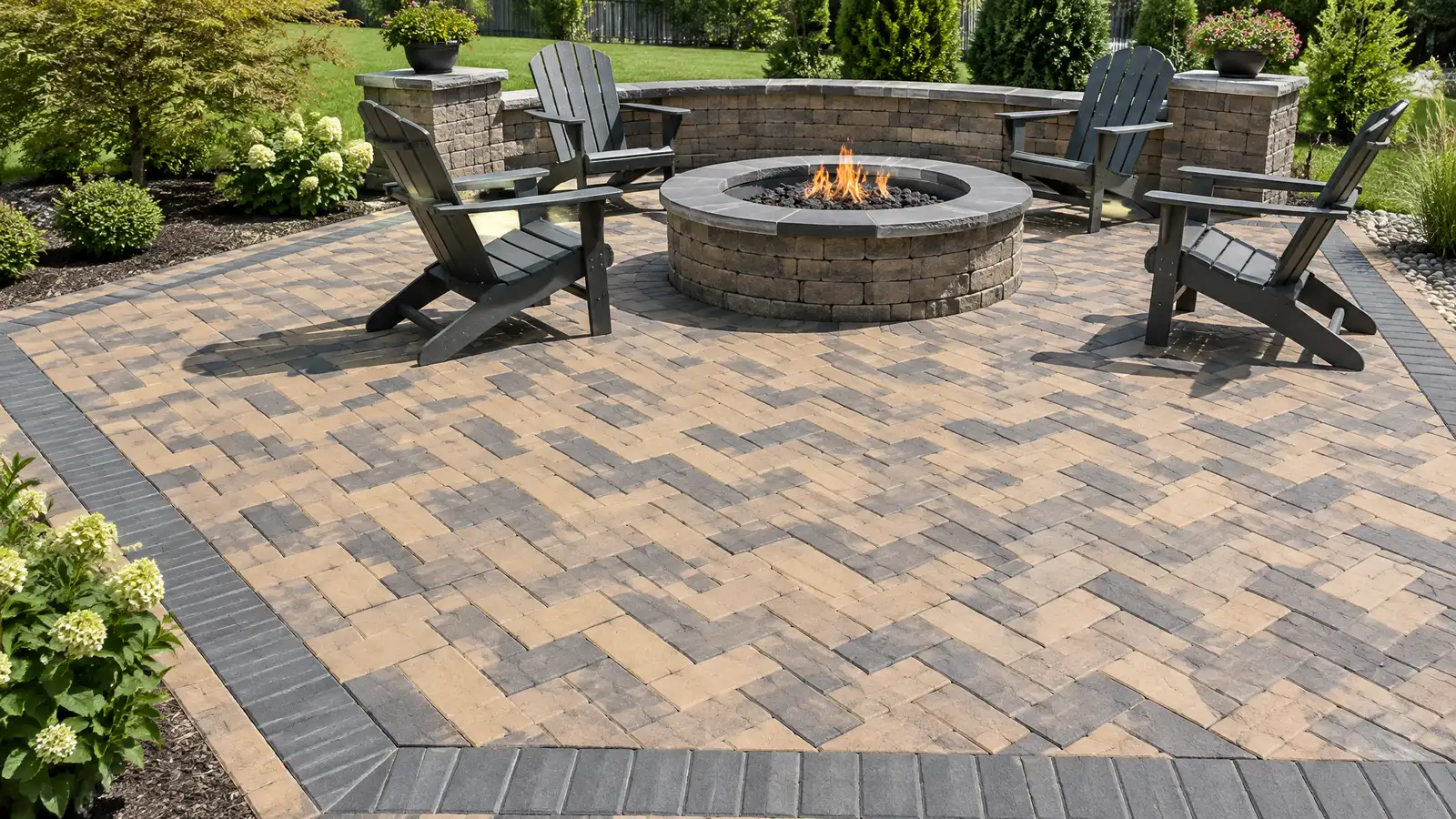
Colors, patterns and borders change the total.
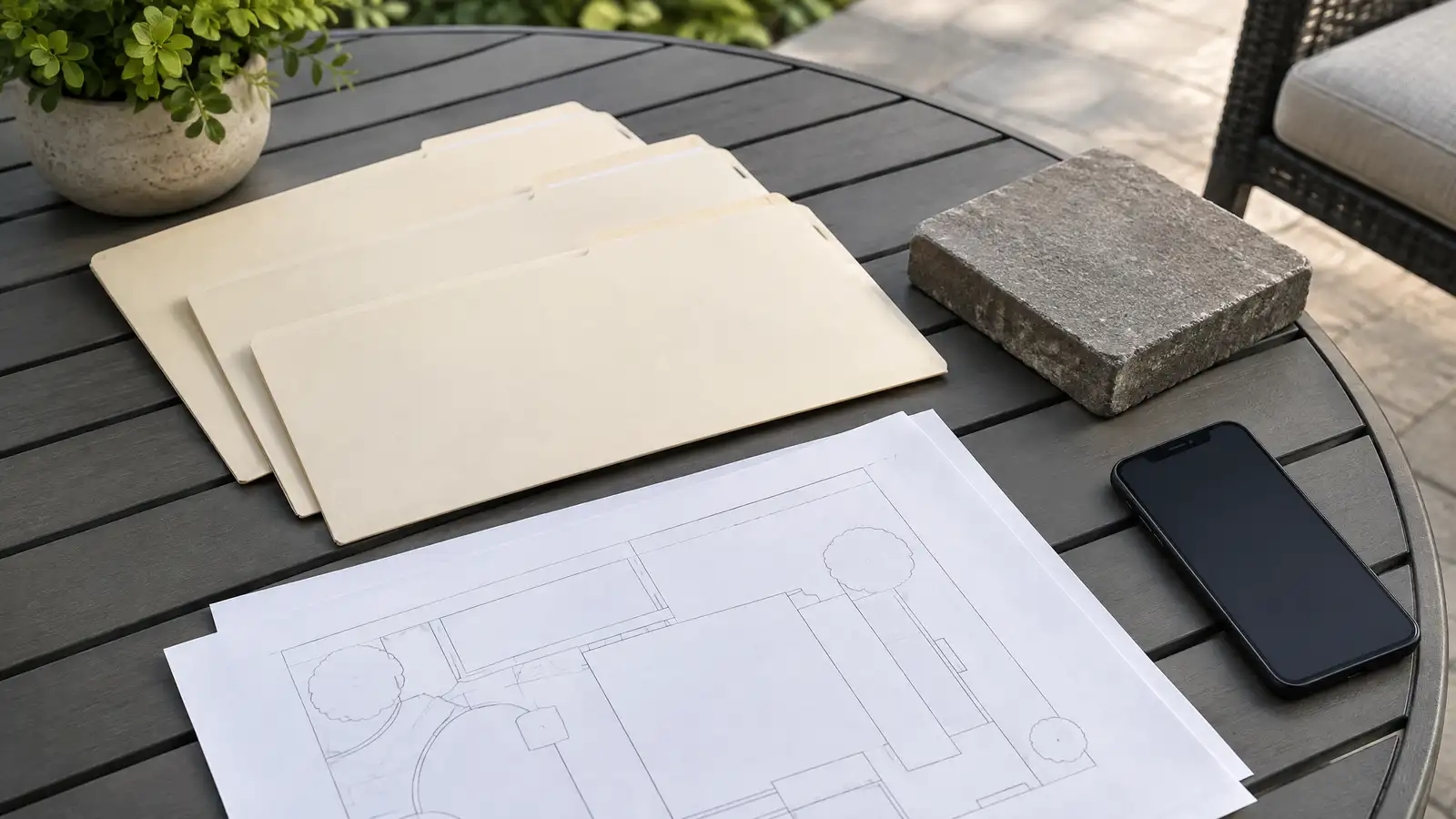
Ask for samples and for a list of what each material needs in upkeep. A less costly surface that needs frequent care may not be the best value for you.
Site work and base
Removing old surfaces, moving soil, building retaining walls and compacting a deep base add to the scope. Clay soil and slopes need more preparation.
This hidden work is what makes a patio last, so it is not a place to cut corners.
Ask what is included under the surface, such as base depth, fabric, edge restraint and compaction. These hidden items rarely show in photos.
Drainage and utilities
Drains, grading, gas lines, power and lighting add parts and labor. They are easier to include at the start than to add later.
Ask each quote what drainage it includes.
Drainage is easier to include than to fix. A single drain or a small regrade during construction can prevent a major repair.
Access and schedule
Tight access, long wheelbarrow distances and tight deadlines can change cost. Rain and winter can affect scheduling.
A flexible schedule sometimes allows more efficient planning.
Tell your contractor about gates, steep access and tight spaces before pricing. Surprises on site can add time and cost.
Extras
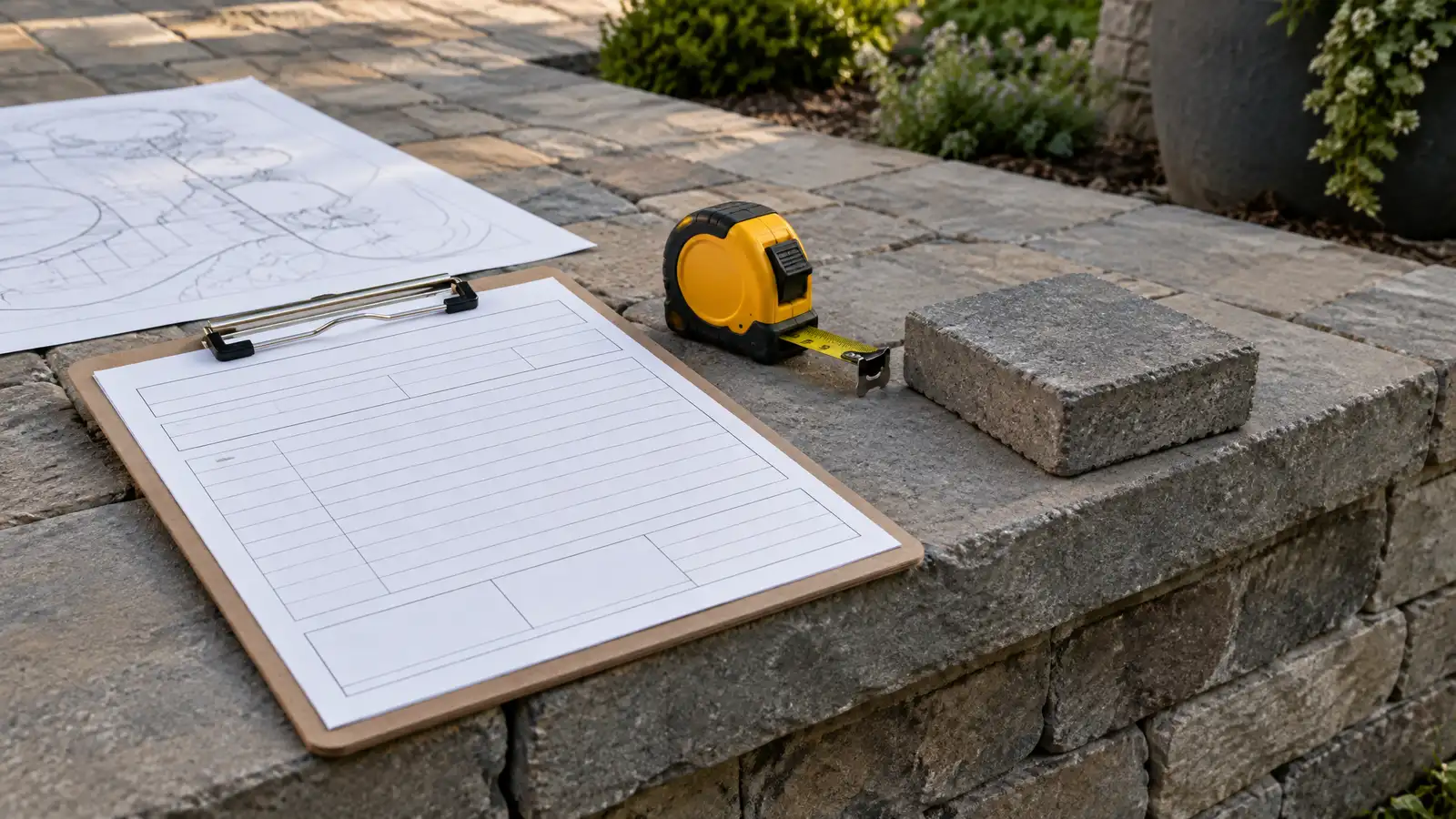
Seat walls, pergolas, fire pits, kitchens, planting and lighting are often added to a patio. Each is a project of its own with its own materials.
A phased plan lets you add extras as budget allows.
List extras in order of importance, and decide which ones to build now and which ones to leave for a later phase.
Compare scopes line by line, not just totals, and ask what is under the surface.