Pick the type
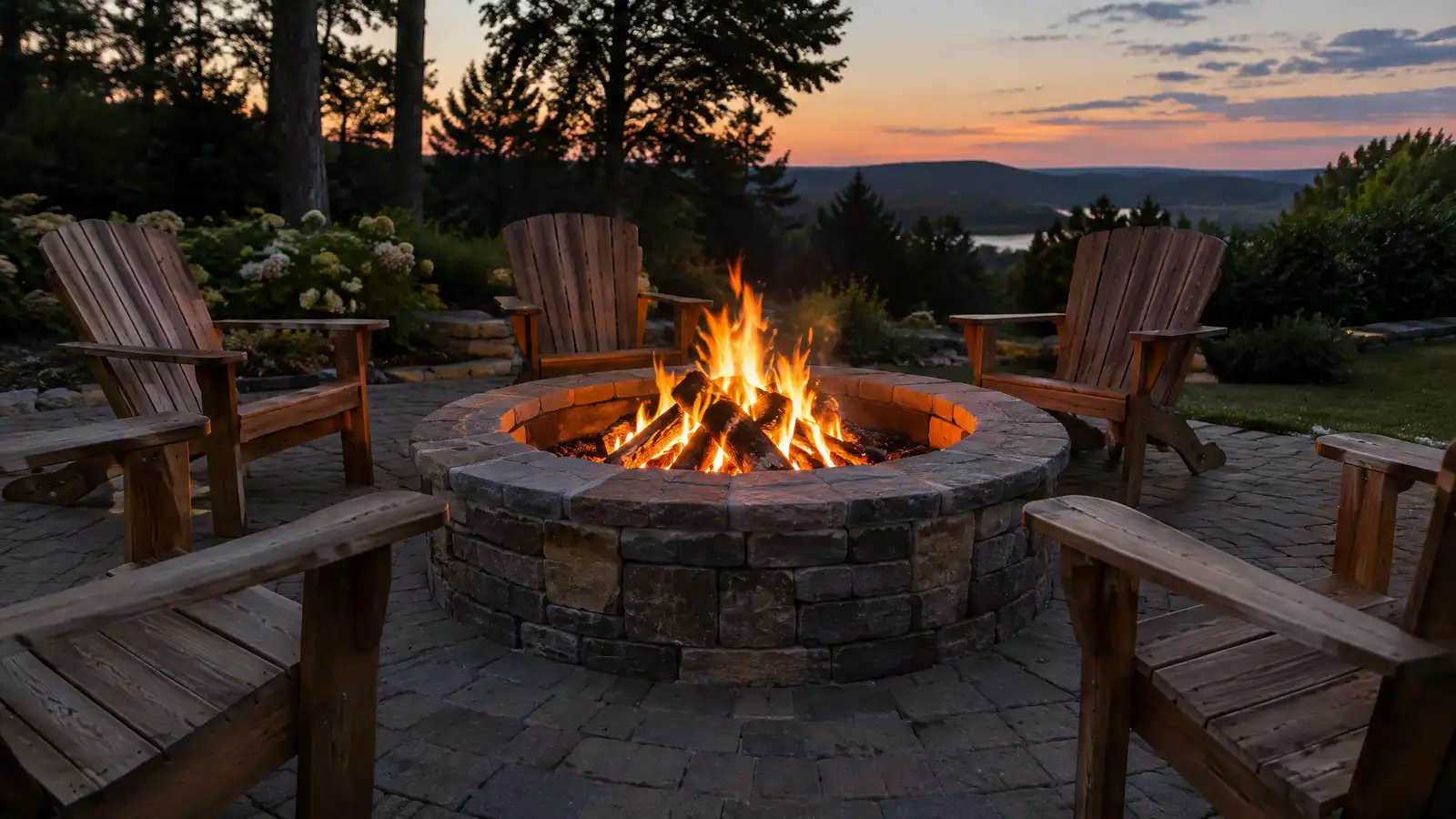
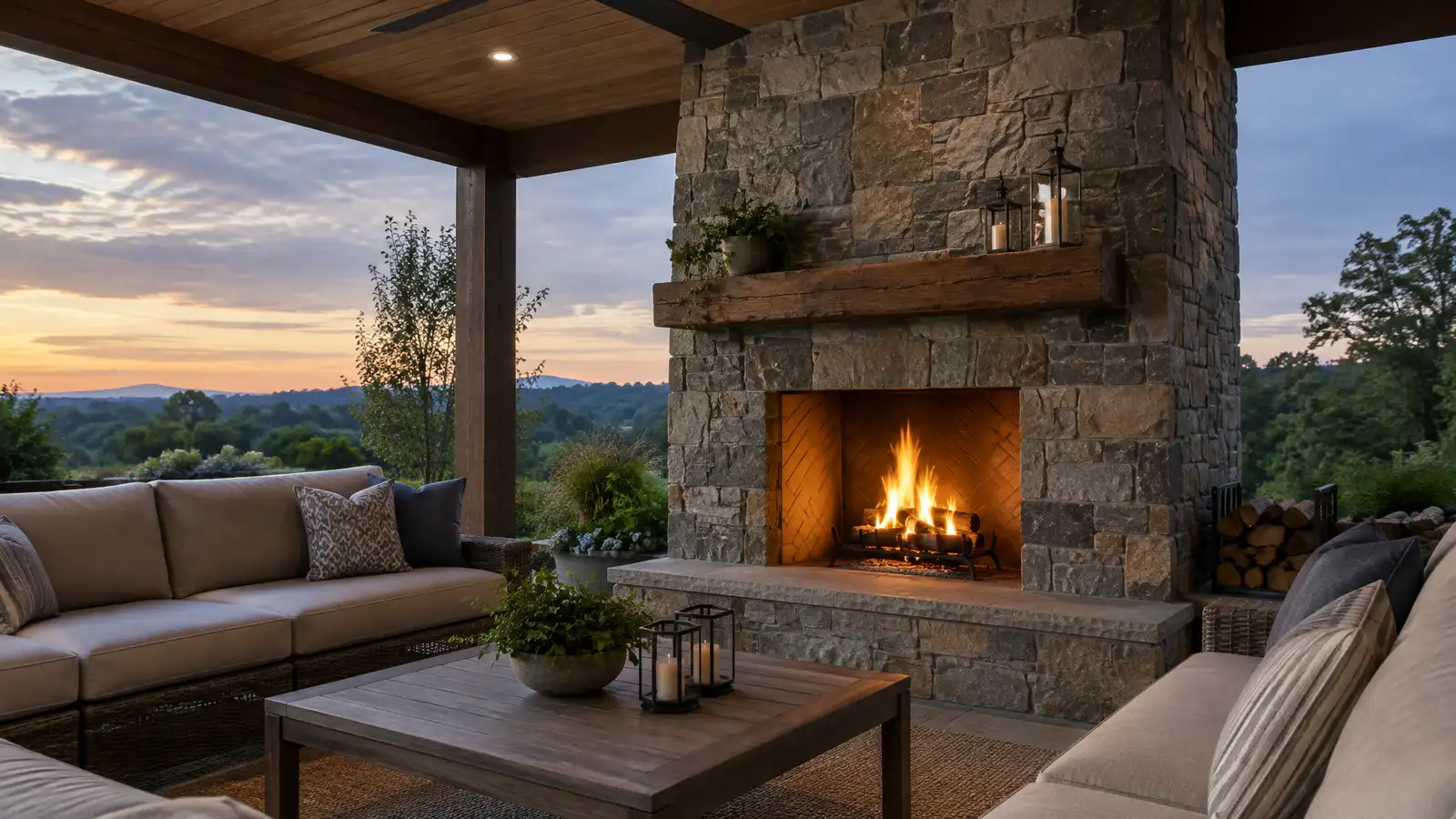
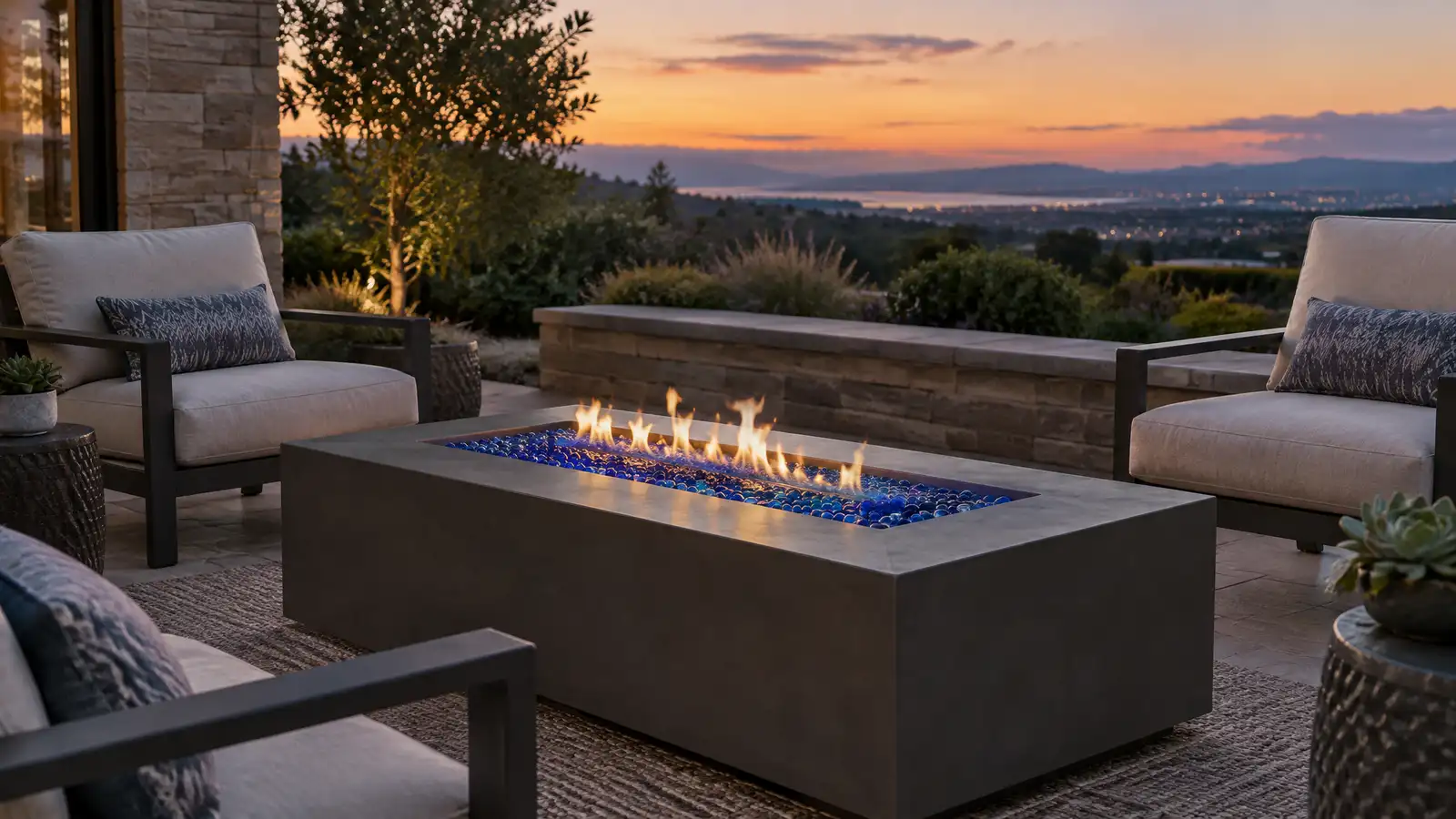
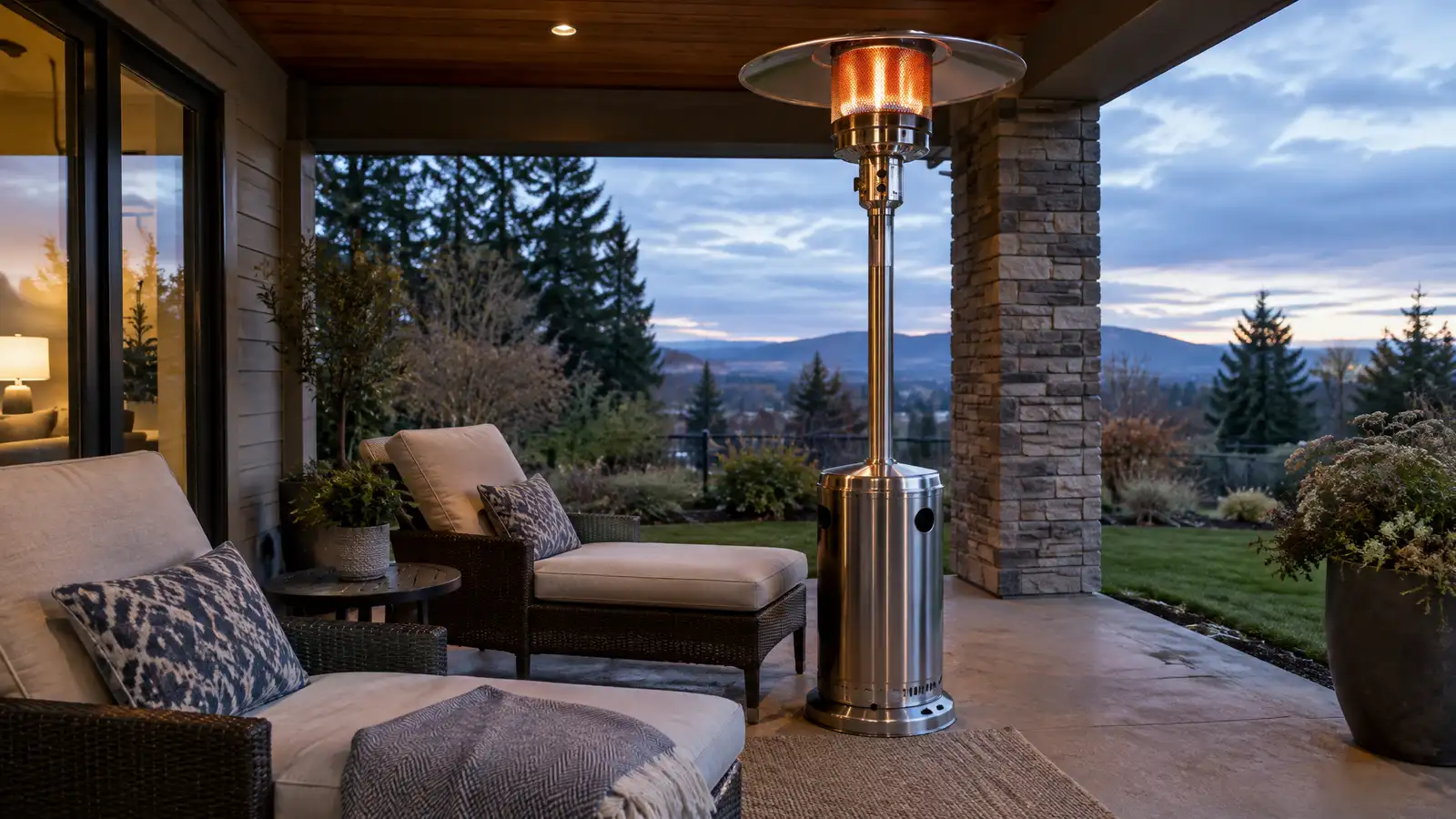
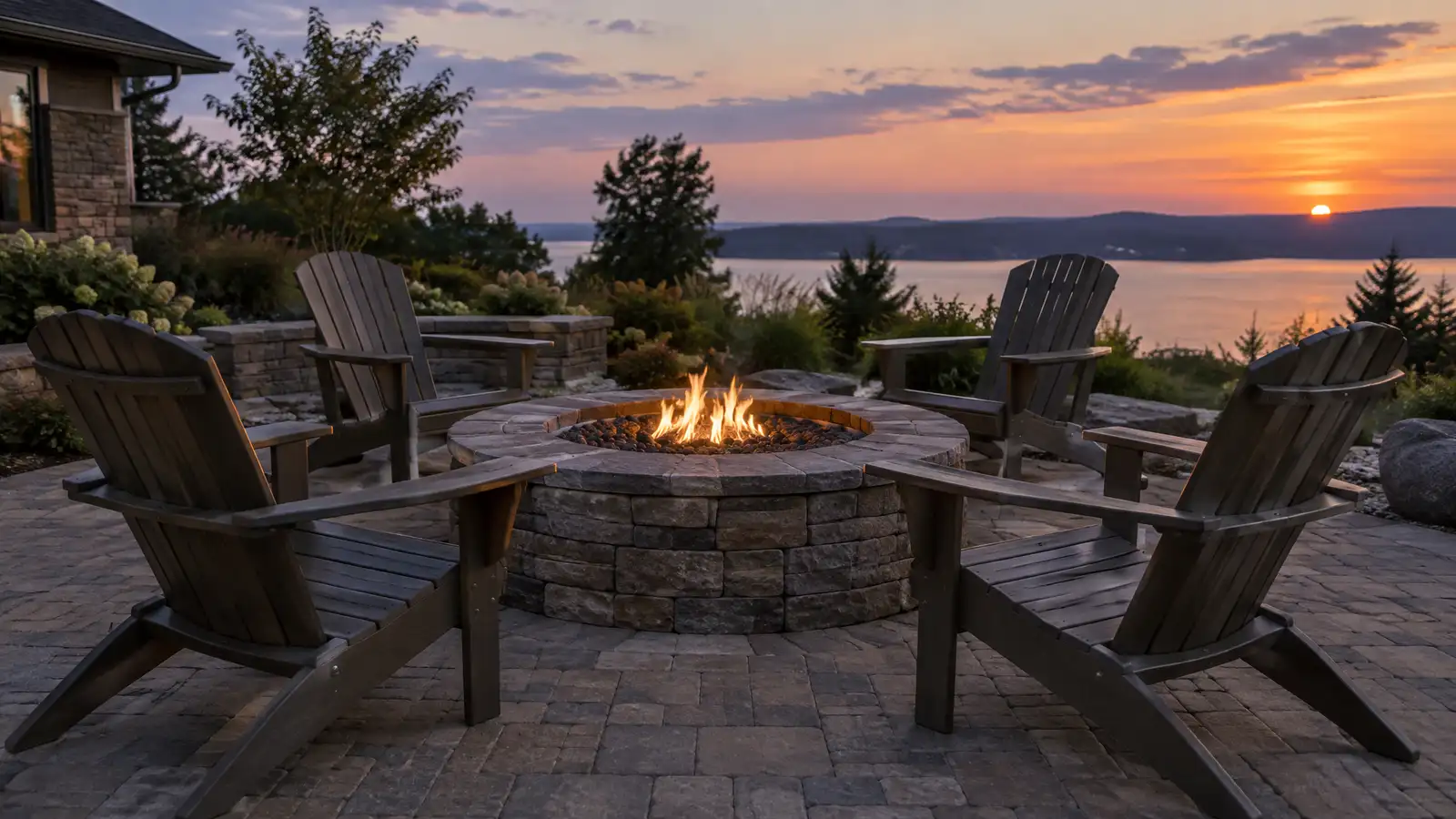
Wood fires have crackle and smoke, gas features start with a switch and fireplaces add a focal point and shelter. Portable pits move where needed.
Think about who will use it and how often.
Visit a showroom or friend's yard to see and feel the different types. Flame size and heat vary a lot by model.
Placement
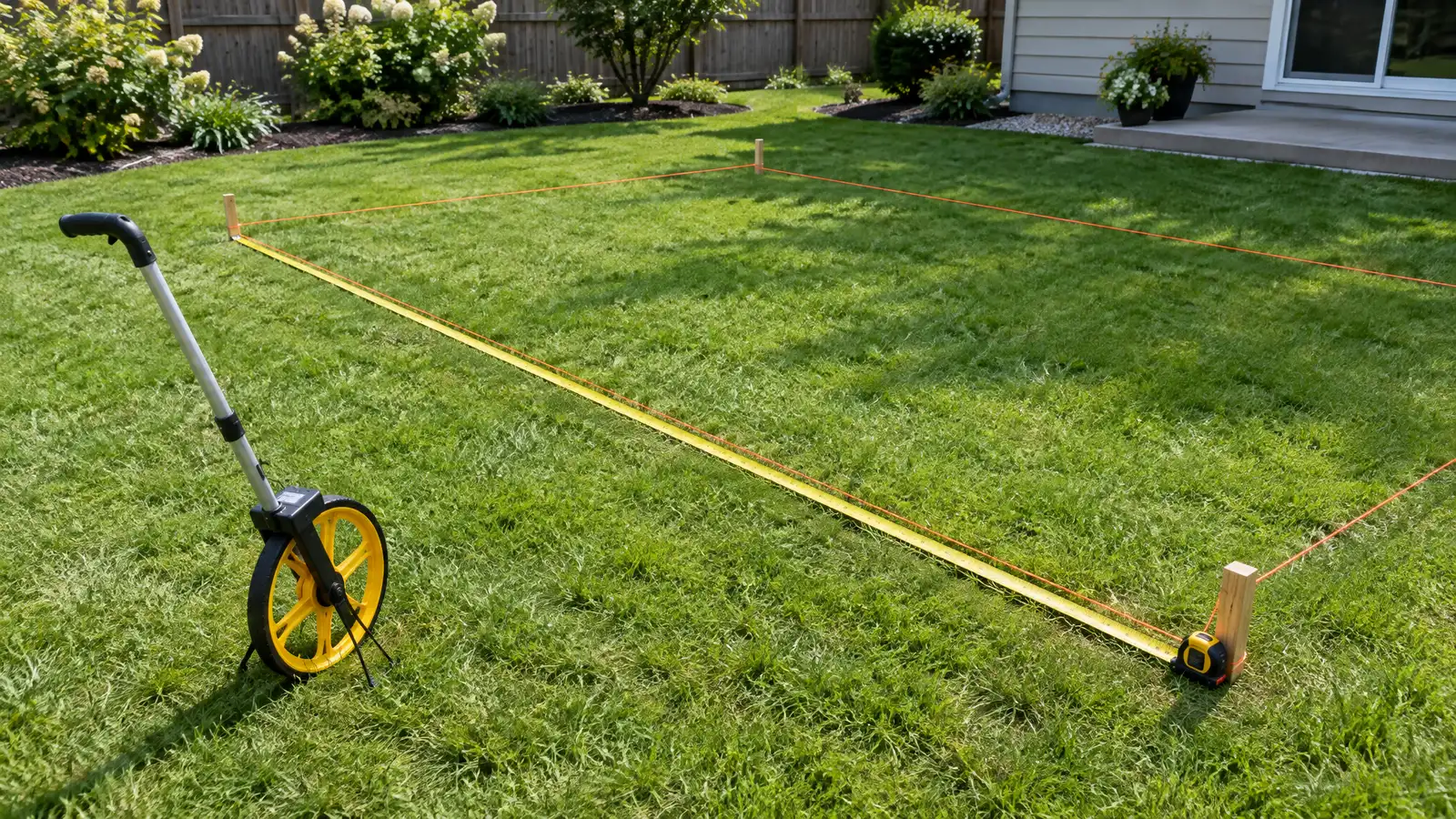
Place fire features away from structures, overhanging branches and roofs, following the maker instructions and local rules. Allow room for seating and walking.
Wind direction matters for smoke.
Check overhead before placing a fire feature. Branches, roof lines and umbrellas can be hazards even if they are not close.
Surfaces
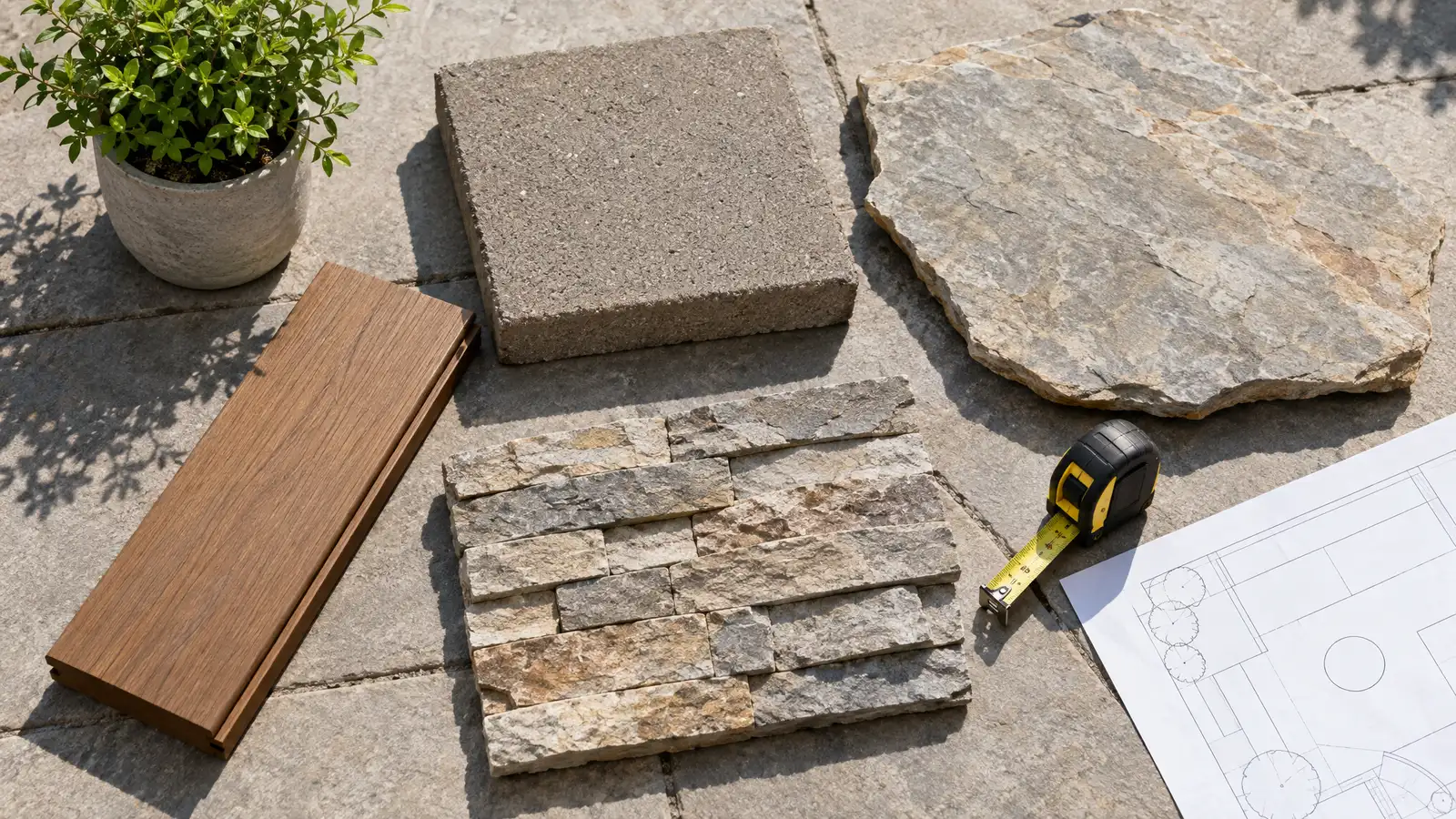
Use noncombustible surfaces such as stone, pavers or concrete under and around fire features. Keep wood decks and mulch away.
A heat-resistant liner protects pits.
Use a pad or a base made of stone or pavers under portable pits to protect surfaces and catch embers.
Fuel and utilities
Gas features need a line, a shutoff and qualified installation. Wood needs storage and an ash plan.
Propane tanks need safe storage and clearance.
Have a qualified trade handle gas connections and leak tests. Keep shutoff valves accessible and labeled.
Safe use
Never leave a fire unattended, and keep water or an extinguisher nearby. Cover or extinguish fires before going inside, and follow burn rules and wind advisories.
Teach children and guests the safe distance.
Check local burn rules and weather alerts before lighting a fire, and store matches and lighters out of reach.
Choose the fuel for how you live, give the fire room and follow the maker instructions and local rules.